It’s no secret: we’re getting older, which means it’s becoming more and more important to prioritize our health.
While we tend to live longer than men, women are often more susceptible to chronic conditions like osteoarthritis, dementia, and osteoporosis.
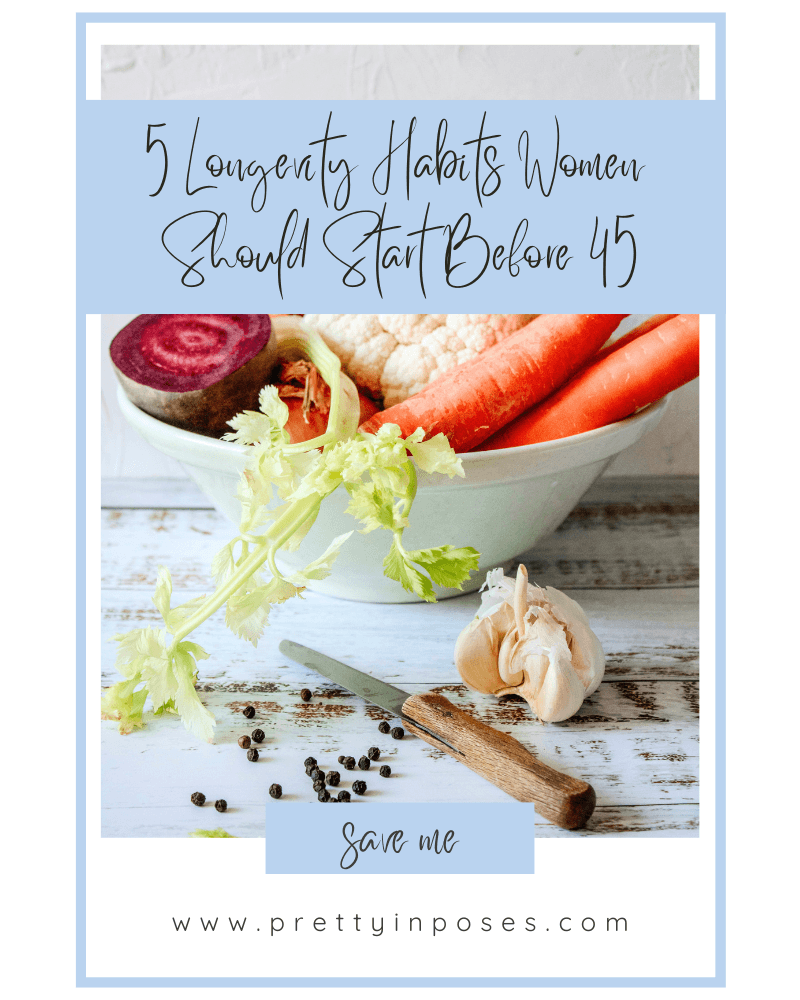
That’s why in this post, we’re diving right into 5 longevity habits every woman should start before age 45, so we can age like fine wine rather than spoiled milk.
This post may contain affiliate links. If you purchase through these links, I may earn a small commission at no extra cost to you. Thank you for supporting my work.
Why Women’s Health Habits Matter More as They Age
Women are the closest thing to Superwomen this world has.
We’re smart, fierce, competent, hardworking, and possess the ability to literally breathe life onto the planet.
But with that said, we’re still only flesh and bone, and as such, must be proactive about our health as we get older. Here are some of the most common conditions women can develop later on in life:
Chronic Health Conditions
After age 50, women become increasingly susceptible to multiple and often ongoing health issues such as diabetes, cancer (specifically breast cancer), high blood pressure, and arthritis.
Hormonal Changes
Starting at around age 45 to 55, women experience declining estrogen levels during menopause, which can lead to heart disease (#1 cause of death in women), weight gain, and increased bone loss (osteoporosis).
Mental Health Issues
Women may also find themselves at a higher risk of suffering from stress, depression, and anxiety, particularly after transitioning into menopause.
Longevity Habits For Women
Women can significantly improve their health and add years to their lifespan by taking proactive steps that support long‑term wellness.
Below are five longevity habits any woman can begin today to start experiencing the benefits.
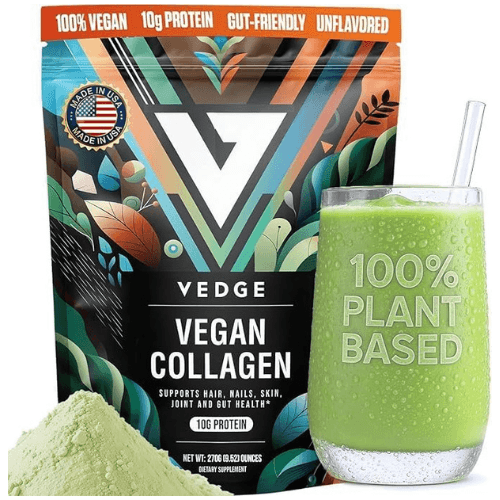
Consume Vegan Collagen Regularly
We’re all familiar with animal collagen, but have you heard of vegan collagen alternatives? If not, you’re going to love this section because it is potentially a game-changer.
Unlike animal collagen, which is made from the tissues of cows (bovine), fish (marine), or pigs (porcine), vegan alternatives are entirely plant‑based.
While they do not contain actual collagen protein, these supplements are specifically engineered to provide the essential amino acids, vitamins, and nutrients your body needs to stimulate its own natural production.
These plant-based supplements may offer more sustainable results long-term because they address the root cause of decline by supporting the body’s natural ability to maintain its own healthy levels over time.
Though your results come faster with animal collagen, vegan brands may also effectively boost your hair, nails, skin, and joints, with some studies showing a boost in hair growth rate by up to 50%.
But there are other benefits to using vegan collagen, as it is environmentally friendly and completely free of animal-borne pathogens.
It’s a very attractive addition to your wellness regimen to delay the appearance of aging.
Just make sure to choose brands that are third-party tested.
Using it early on is particularly helpful since production of collagen in the body begins to slow around mid-to-late 20s, becomes more noticeable in your 30s, and accelerates by the time age 40 comes around.
Take A Cold Plunge Every Week
Have you tried cold exposure for your health? If your answer is “absolutely not!” I get it. I’m a hot tub kind of girl, myself. But there may be some major advantages to taking that cold plunge.
Hear me out.
First, a cold plunge, also known as an ice bath or cold immersion, involves submerging your body into very cold water.
Usually, this is around 50 to 60℉ (10 to 15℃) or potentially lower for a short time. Many athletes do this because it reduces soreness and swelling as well as speeds up recovery.
It also lowers inflammation, boosts focus, increases energy, and promotes overall metabolic health.
But cold plunges are great for women in particular because they train your nervous system to handle stress, which builds long-term hormone resilience.
This could provide relief from PMS and systemic inflammation in some women while helping manage perimenopausal and menopausal symptoms like hot flashes, mood swings, and night sweats.
But my favorite benefit is that full cold water immersion triggers the production of specialized cold shock proteins.
These are the exact proteins scientists found in bowhead whales that help them live for 200 years and remain resistant to most diseases!
By taking the plunge, you activate this same cellular repair to protect your brain, clear out damaged cells, reduce the risk of developing long-term diseases, and boost longevity.
Limit Ultra-Processed Foods
What are ultra-processed foods, you may ask?
According to the NOVA food classification system, they are industrial formulations that usually contain ingredients rarely or never found in a home kitchen.
These products rely heavily on additives you wouldn’t use when cooking from scratch, such as preservatives, emulsifiers, intense sweeteners, and artificial colors or flavorings.
A few common examples of ultra-processed foods include:
- Cold cuts and reconstituted meats (sausages, hams, bologna, and salami)
- Sugary breakfast cereals and mass-produced packaged breads
- Biscuits, ice cream, and flavored or sweetened yogurts
- Sodas, sweet soft drinks, and certain artificially flavored alcoholic beverages
- Instant or dehydrated soups
Health experts advise limiting these items because they are typically engineered to be high in saturated fats, sodium, and refined sugar.
Overconsumption of them often displaces more nutritious, whole foods in our diet.
Furthermore, scientists warn that a heavy diet of ultra-processed foods can negatively affect your gut health, resulting in serious chronic conditions like heart disease, hypertension, and an increased risk of early death.
While completely avoiding ultra-processed foods is unrealistic in modern society, you should aim to limit your consumption to options that still provide distinct nutritional value, like whole-grain breads, plain canned beans, and plain Greek yogurt.
Whenever feasible, focus on cooking and eating fresh, whole foods.
Eat 30 Different Plants a Week
Eating 30 plants a week sounds like a lot, but once you understand what counts as a plant, you’ll realize it’s more doable than it seems.
Your gut is home to a huge community of microbes called the microbiome.
Some bacteria support your health, while others can increase the risk of chronic conditions when they overgrow. A diverse, well‑fed microbiome is linked to better digestion, stronger immunity, and even longevity.
To nourish these “good” gut bugs, you need prebiotics, or types of fiber, carbohydrates, and polyphenols found in plants.
Since the body can’t digest them, they travel to the large intestine, where beneficial bacteria ferment them for fuel. The more variety you eat, the more diverse your microbiome becomes.
But why thirty plants?
Well, there was a landmark study in 2018 that discovered people who ate 30 or more unique plants per week had significantly more diverse gut bacteria and higher levels of health‑promoting short‑chain fatty acids than those who ate 10 or fewer.
And remember, “plants” include far more than fruits and vegetables. Whole grains, legumes, nuts, seeds, herbs, and spices all count.
Here are just a few quick examples to get you started:
- Vegetables: Spinach, carrots, sweet potatoes
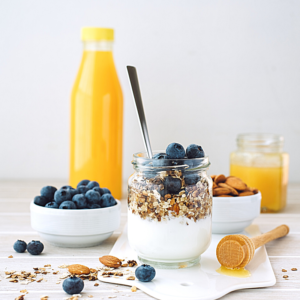
- Fruit: Bananas, blueberries, oranges
- Whole Grains: Brown rice, oats, quinoa
- Legumes: Beans, lentils, chickpeas
- Nuts and Seeds: Almonds, Brazil nuts, flaxseeds, hemp seeds
- Herbs and Spices: Basil, oregano, cumin, nutmeg
Prioritize Bone Density Health Daily
In the introduction, we learned that women are far more susceptible than men to developing osteoporosis.
In fact, clinical data predicts that one in two women (and up to one in four men) aged 50 and over will break a bone due to this condition.
Osteoporosis is a skeletal disease characterized by low bone mass and a structural loss of bone tissue.
It happens when your bones become depleted of vital minerals like calcium and phosphorus, making them fragile and highly vulnerable to fractures.
The most common types of injuries occur in the hips, forearms, wrists, and spine.
According to data from the National Osteoporosis Foundation, approximately 54 million Americans either have osteoporosis or are at high risk of a fracture due to low bone mass.
The individuals most at risk for this disease include:
- White and Asian women
- Individuals with a family history of fractures in older age
- People with a history of certain medical conditions or medications that weaken bone density
- Individuals who are underweight (which increases the likelihood of rapid bone loss)
Fortunately, there are a few simple things you can do to lower your chances of developing osteoporosis. Here is a quick, everyday checklist:
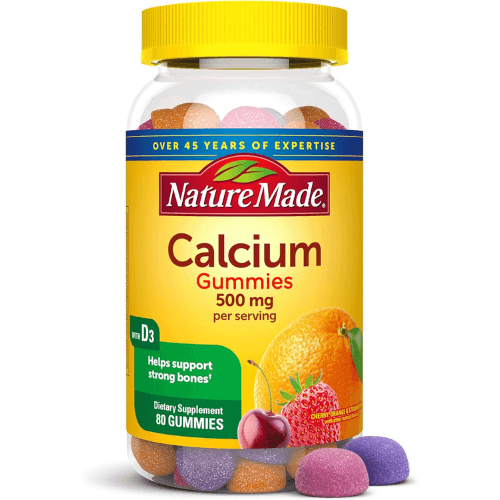
- Eat Calcium-Rich Foods: Incorporate items like milk, yogurt, cheddar cheese, soybeans, chia seeds, or calcium supplements into your diet.
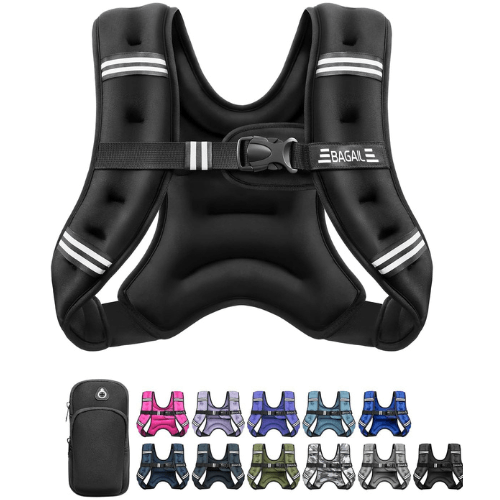
- Exercise Daily: Aim for at least 30 minutes of daily physical activity, specifically incorporating weight-bearing exercises like strength training and walking. Or walking with a weighted vest!
- Maintain a Healthy Weight: Avoid being underweight to protect your skeletal frame.
- Consult Your Doctor: Speak with a healthcare professional about proactive, preventative measures.
Long Live the Queen
Women are the unsung heroines of everyday life. We wear so many hats and care for so many people, but it’s essential to prioritize ourselves too.
By starting early and building these habits into a routine, women can create a strong foundation for long‑term wellness and longevity.
If you have any questions or comments, please leave them down below or message me on my contact page, and I’ll get back to you. Until next time.
Happy Living!
Special Thanks:
Photo by Tijana Drndarski on Unsplash
The information in this article is for educational purposes only and is not intended as medical advice. Always consult with a qualified healthcare professional before making changes to your health, wellness, or lifestyle routines.




Leave a Reply