




Blog

  • 5 Longevity Habits Women Should Start Before 45

    5 Longevity Habits Women Should Start Before 45

    It’s no secret: we’re getting older, which means it’s becoming more and more important to prioritize our health.

    While we tend to live longer than men, women are often more susceptible to chronic conditions like osteoarthritis, dementia, and osteoporosis.

    That’s why in this post, we’re diving right into 5 longevity habits every woman should start before age 45, so we can age like fine wine rather than spoiled milk. 

    This post may contain affiliate links. If you purchase through these links, I may earn a small commission at no extra cost to you. Thank you for supporting my work.

    Why Women’s Health Habits Matter More as They Age

    Women are the closest thing to Superwomen this world has.

    We’re smart, fierce, competent, hardworking, and possess the ability to literally breathe life onto the planet.

    But with that said, we’re still only flesh and bone, and as such, must be proactive about our health as we get older. Here are some of the most common conditions women can develop later on in life:

    Chronic Health Conditions

    After age 50, women become increasingly susceptible to multiple and often ongoing health issues such as diabetes, cancer (specifically breast cancer), high blood pressure, and arthritis.

    Hormonal Changes

    Starting at around age 45 to 55, women experience declining estrogen levels during menopause, which can lead to heart disease (#1 cause of death in women), weight gain, and increased bone loss (osteoporosis).

    Mental Health Issues

    Women may also find themselves at a higher risk of suffering from stress, depression, and anxiety, particularly after transitioning into menopause. 

    Longevity Habits For Women

    Women can significantly improve their health and add years to their lifespan by taking proactive steps that support long‑term wellness.

    Below are five longevity habits any woman can begin today to start experiencing the benefits.

    Consume Vegan Collagen Regularly

    We’re all familiar with animal collagen, but have you heard of vegan collagen alternatives? If not, you’re going to love this section because it is potentially a game-changer.

    Unlike animal collagen, which is made from the tissues of cows (bovine), fish (marine), or pigs (porcine), vegan alternatives are entirely plant‑based.

    While they do not contain actual collagen protein, these supplements are specifically engineered to provide the essential amino acids, vitamins, and nutrients your body needs to stimulate its own natural production.

    These plant-based supplements may offer more sustainable results long-term because they address the root cause of decline by supporting the body’s natural ability to maintain its own healthy levels over time.

    Though your results come faster with animal collagen, vegan brands may also effectively boost your hair, nails, skin, and joints, with some studies showing a boost in hair growth rate by up to 50%.

    But there are other benefits to using vegan collagen, as it is environmentally friendly and completely free of animal-borne pathogens.

    It’s a very attractive addition to your wellness regimen to delay the appearance of aging. 

    Just make sure to choose brands that are third-party tested.  

    Using it early on is particularly helpful since production of collagen in the body begins to slow around mid-to-late 20s, becomes more noticeable in your 30s, and accelerates by the time age 40 comes around.

    vegan collagen to keep women's joints and skin youthful for longevity

    Take A Cold Plunge Every Week

    Have you tried cold exposure for your health? If your answer is “absolutely not!” I get it. I’m a hot tub kind of girl, myself. But there may be some major advantages to taking that cold plunge.

    Hear me out.

    First, a cold plunge, also known as an ice bath or cold immersion, involves submerging your body into very cold water.

    Usually, this is around 50 to 60℉ (10 to 15℃) or potentially lower for a short time. Many athletes do this because it reduces soreness and swelling as well as speeds up recovery.

    It also lowers inflammation, boosts focus, increases energy, and promotes overall metabolic health.

    But cold plunges are great for women in particular because they train your nervous system to handle stress, which builds long-term hormone resilience. 

    This could provide relief from PMS and systemic inflammation in some women while helping manage perimenopausal and menopausal symptoms like hot flashes, mood swings, and night sweats.

    But my favorite benefit is that full cold water immersion triggers the production of specialized cold shock proteins.

    These are the exact proteins scientists found in bowhead whales that help them live for 200 years and remain resistant to most diseases!

    By taking the plunge, you activate this same cellular repair to protect your brain, clear out damaged cells, reduce the risk of developing long-term diseases, and boost longevity.

    Limit Ultra-Processed Foods

    What are ultra-processed foods, you may ask?

    According to the NOVA food classification system, they are industrial formulations that usually contain ingredients rarely or never found in a home kitchen.

    These products rely heavily on additives you wouldn’t use when cooking from scratch, such as preservatives, emulsifiers, intense sweeteners, and artificial colors or flavorings.

    A few common examples of ultra-processed foods include:

    • Cold cuts and reconstituted meats (sausages, hams, bologna, and salami)
    • Sugary breakfast cereals and mass-produced packaged breads
    • Biscuits, ice cream, and flavored or sweetened yogurts
    • Sodas, sweet soft drinks, and certain artificially flavored alcoholic beverages
    • Instant or dehydrated soups

    Health experts advise limiting these items because they are typically engineered to be high in saturated fats, sodium, and refined sugar.

    Overconsumption of them often displaces more nutritious, whole foods in our diet.

    Furthermore, scientists warn that a heavy diet of ultra-processed foods can negatively affect your gut health, resulting in serious chronic conditions like heart disease, hypertension, and an increased risk of early death.

    While completely avoiding ultra-processed foods is unrealistic in modern society, you should aim to limit your consumption to options that still provide distinct nutritional value, like whole-grain breads, plain canned beans, and plain Greek yogurt.

    Whenever feasible, focus on cooking and eating fresh, whole foods.

    Eat 30 Different Plants a Week

    Eating 30 plants a week sounds like a lot, but once you understand what counts as a plant, you’ll realize it’s more doable than it seems.

    Your gut is home to a huge community of microbes called the microbiome.

    Some bacteria support your health, while others can increase the risk of chronic conditions when they overgrow. A diverse, well‑fed microbiome is linked to better digestion, stronger immunity, and even longevity.

    To nourish these “good” gut bugs, you need prebiotics, or types of fiber, carbohydrates, and polyphenols found in plants.

    Since the body can’t digest them, they travel to the large intestine, where beneficial bacteria ferment them for fuel. The more variety you eat, the more diverse your microbiome becomes.

    But why thirty plants?

    Well, there was a landmark study in 2018 that discovered people who ate 30 or more unique plants per week had significantly more diverse gut bacteria and higher levels of health‑promoting short‑chain fatty acids than those who ate 10 or fewer.

    And remember, “plants” include far more than fruits and vegetables. Whole grains, legumes, nuts, seeds, herbs, and spices all count.

    Here are just a few quick examples to get you started:

    • Vegetables: Spinach, carrots, sweet potatoes
    • Fruit: Bananas, blueberries, oranges
    • Whole Grains: Brown rice, oats, quinoa
    • Legumes: Beans, lentils, chickpeas
    • Nuts and Seeds: Almonds, Brazil nuts, flaxseeds, hemp seeds
    • Herbs and Spices: Basil, oregano, cumin, nutmeg

    Prioritize Bone Density Health Daily

    In the introduction, we learned that women are far more susceptible than men to developing osteoporosis.

    In fact, clinical data predicts that one in two women (and up to one in four men) aged 50 and over will break a bone due to this condition.

    Osteoporosis is a skeletal disease characterized by low bone mass and a structural loss of bone tissue.

    It happens when your bones become depleted of vital minerals like calcium and phosphorus, making them fragile and highly vulnerable to fractures.

    The most common types of injuries occur in the hips, forearms, wrists, and spine.

    According to data from the National Osteoporosis Foundation, approximately 54 million Americans either have osteoporosis or are at high risk of a fracture due to low bone mass.

    The individuals most at risk for this disease include:

    • White and Asian women
    • Individuals with a family history of fractures in older age
    • People with a history of certain medical conditions or medications that weaken bone density
    • Individuals who are underweight (which increases the likelihood of rapid bone loss)

    Fortunately, there are a few simple things you can do to lower your chances of developing osteoporosis. Here is a quick, everyday checklist:

    • Eat Calcium-Rich Foods: Incorporate items like milk, yogurt, cheddar cheese, soybeans, chia seeds, or calcium supplements into your diet.
    • Exercise Daily: Aim for at least 30 minutes of daily physical activity, specifically incorporating weight-bearing exercises like strength training and walking. Or walking with a weighted vest!
    • Maintain a Healthy Weight: Avoid being underweight to protect your skeletal frame.
    • Consult Your Doctor: Speak with a healthcare professional about proactive, preventative measures.
    calcium for women who want to strengthen their bones for longevity
    a weighted vest for women to strengthen their bones for longevity

    Long Live the Queen

    Women are the unsung heroines of everyday life. We wear so many hats and care for so many people, but it’s essential to prioritize ourselves too.

    By starting early and building these habits into a routine, women can create a strong foundation for long‑term wellness and longevity.

    If you have any questions or comments, please leave them down below or message me on my contact page, and I’ll get back to you. Until next time.

    Happy Living!

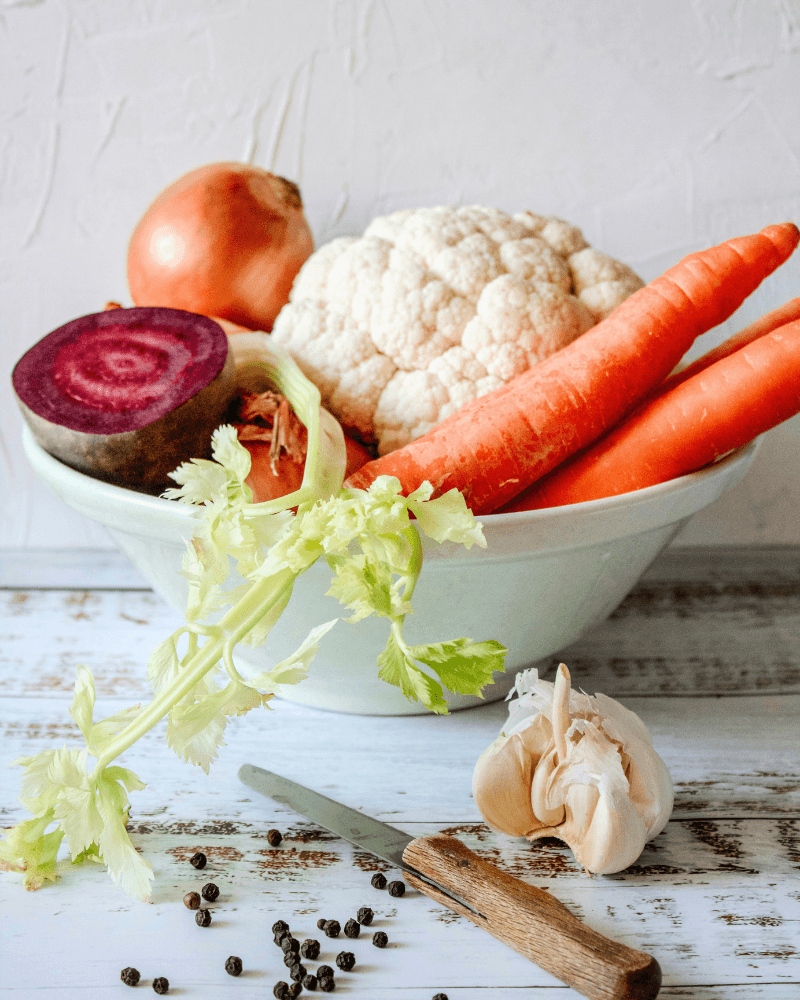
    bowl of vegetables for women under 45 to add into their lifestyle for longevity

    Special Thanks:

    Photo by Tijana Drndarski on Unsplash

    The information in this article is for educational purposes only and is not intended as medical advice. Always consult with a qualified healthcare professional before making changes to your health, wellness, or lifestyle routines.

  • Knee Pain After Workouts? Expert Tips to Relieve It

    Knee Pain After Workouts? Expert Tips to Relieve It

    I recently recovered from a knee injury myself, and I can honestly say that knee pain after workouts can feel really concerning, especially when you don’t know what’s causing it.

    But the truth is, this kind of injury is pretty common and can happen for several different reasons.

    Sore knees from exercise aren’t fun and can definitely throw off your routine; however, once you understand what’s behind the pain, it becomes a lot easier to figure out what to do next.

    In this post, we’re going to look at why your knee might hurt after workouts and what you can actually do to relieve it.

    Common Causes of Knee Pain After Workouts

    If you are experiencing knee pain after workouts, it is often due to overuse, muscle imbalances, or improper form. In some cases, it may also result from injury or trauma to the joint.

    Below are some of the most common causes of knee pain after workouts:

    Person grabbing their knee to represent the common causes of knee pain after workouts

    Runner’s Knee

    Patellofemoral pain syndrome, widely known as runner’s knee, is pain in and around the kneecap caused by irritation of the cartilage beneath it.

    Demographic: Tends to affect runners and other athletes, particularly teens and young adults.

    Symptoms include: A dull ache felt deep within the knee. You may notice a grinding or popping sensation when standing up or climbing stairs.

    Jumper’s Knee

    Patellar tendonitis, better known as jumper’s knee, is inflammation in the tendon that connects the kneecap to your shin bone.

    Demographic: Often impacts athletes in sports that require excessive jumping, such as basketball or volleyball.

    Symptoms include: A sharp, isolated pain at the lower border of the kneecap. The pain may subside after a “warm up,” only to return after exercising.

    Iliotibial Band (IT Band) Syndrome

    A condition where the iliotibial band — the thick band of tissue that runs from your hip to your shinbone — rubs against the outer edge of the knee, causing irritation or inflammation.

    Demographic: Commonly affects runners and cyclists.

    Symptoms include: A sharp or burning pain on the outside of the knee. You may experience a clicking, popping, or snapping sensation when bending it. The pain may intensify when running downhill or descending stairs.

    Osteoarthitis

    The most common form of arthritis affects the knees. It is a degenerative condition that occurs when cartilage — the flexible, rubbery tissue that cushions the ends of your bones — gradually wears down.

    Demographic: Usually affects people over 50, but younger individuals may develop it due to injury. Other risk factors include obesity, genetics, and gender, as women are more likely to develop osteoarthritis than men.

    Symptoms include: Inflammation, pain, stiffness, locking, or buckling of the knee joint.

    Ligament Tears

    A ligament tear occurs when the tough bands of tissue that connect bone to bone are stretched or torn. When this happens in the knee, the joint can lose stability and structural support.

    The four major knee ligaments include the ACL (often injured from sudden pivots or jumping), MCL (commonly injured from impact to the outer knee), and the PCL and LCL, which are less common and usually result from direct trauma.

    Demographic: Frequently impacts athletes and active individuals between the ages of 15 and 45.

    Symptoms include: Swelling, pain, instability, and sometimes a loud popping sound at the moment of injury

    Meniscus Tears

    A meniscus tear is an injury to the cartilage that sits between your thighbone and shinbone. The meniscus acts as a shock absorber in the knee.

    Demographic: More common in adults over 40 as the cartilage weakens over time. It can also occur in athletes who twist or pivot while their foot is planted and the knee is bent.

    Symptoms include: Swelling, locking, pain that worsens with pressure, and difficulty straightening or bending the leg.

    Muscle Imbalances

    It occurs when certain muscles are stronger, tighter, or more dominant than the muscles meant to support them. In the knee, this can involve the quads, hips, hamstrings, or glutes. It often develops from prolonged sitting, repetitive habits, or compensating after an injury.

    Demographic: Can affect anyone at any age. Most people have at least one or two mild imbalances, often influenced by daily habits or dominant-side use.

    Symptoms include: Tightness in specific areas, poor posture, movement issues, recurring aches, visible strength differences, and uneven flexibility.

    How to Relieve Knee Pain After Workouts

    More often than not, knee pain after workouts involves minor injuries that can be managed at home using the R.I.C.E. method — rest, ice, compression, and elevating the leg above heart level.

    Staying off the injured knee as much as possible and wearing knee support, such as a brace or a knee sleeve, is often recommended.

    However, if your knee pain feels severe after the injury or does not improve with rest, it may be time to contact a doctor.

    Seek medical attention immediately if you notice any of the following symptoms, as they could indicate a more serious issue:

    • Inability to bear weight on the injured leg
    • The knee looks visibly misshapen or deformed
    • A loud popping or snapping sound at the moment of injury
    • Inability to fully straighten or bend the knee
    • Severe pain along with fever, chills, or significant swelling around the joint

    Use Movement As Medicine

    If the severity of your knee pain begins to lessen after rest but you still feel some discomfort or weakness, you can slowly incorporate other recovery methods into your routine.

    Once you’ve been cleared by a medical professional, gently moving your leg again can help strengthen the muscles surrounding the joint.

    Activities like yoga and low-impact knee-strengthening exercises done a few times a week may support recovery.

    If you’re looking for a knee-specific workout designed for recovery, you can always try mine.

    When I injured my knee, I followed the R.I.C.E. method for about 48 hours, and then rested it for a few extra days until walking felt comfortable.

    I was anxious about pausing my usual strength workouts, so I built a gentle at-home routine that didn’t strain my knee. Within a few weeks, it felt back to normal.

    If you want to give it a try, you can check out the full routine here:

    woman performing a single-leg hip thrust as part of the best exercises to reduce knee pain routine.

    Related Posts

    Best Exercises to Reduce Knee Pain At Home

    3 Low-Impact Knee-Strengthening Exercises

    Knee Pain When Walking Downstairs Causes & Fixes

    Best Exercises for Bad Knees

    It’s Now or Kneever

    Knee injuries are never fun, but they don’t mean you’re out of options.

    How you move forward depends on the severity of your injury, and having the right information can make a big difference. With the right approach, you can recover safely and get back to your life.

    If you have any questions or comments, feel free to leave them below or send me a message through the contact page.

    Don’t forget to sign up for the email list to stay updated on the latest posts. You’ll even receive a free fitness guide when you join through the pop-up form.

    Happy knee recovery!

    The information shared in this post is for general educational and motivational purposes only. It is not medical advice and should not replace guidance from a licensed healthcare professional. Always listen to your body and consult with a qualified medical provider before beginning any new exercise, wellness, or nutrition routine. Especially if you have existing health conditions or concerns.

    knee pain
  • Knee Pain When Walking Downstairs: Causes and How to Fix It

    Knee Pain When Walking Downstairs: Causes and How to Fix It

    Knee pain when walking down the stairs can feel alarming and downright scary, especially if it happens suddenly.

    You may start to wonder: Is this just a minor strain or something more serious?

    But the truth is, this kind of discomfort is very common, and in many cases, isn’t as severe as it feels.

    In fact, because it’s often caused by issues like muscle imbalances, joint stress, or natural wear and tear, this injury can actually improve with the right approach.

    So, in this post, we’re going to break it all down: what causes knee pain when walking downstairs, simple ways to fix it, and when it may be time to seek professional help.

    This post contains affiliate links, meaning that if you choose to click through and make a purchase, I will receive a small commission at no additional cost to you.

    Why Your Knee Hurts When Going Downstairs

    The knee is the largest joint in your body, connecting your thigh bone (femur) to your shin (tibia).

    It’s involved in almost every movement your legs make, which means it carries a lot of weight just walking around.

    This means with every step you take, your knees absorb roughly 1.5 to 3 times your body weight.

    So, if someone weighs 120 pounds, their knees are taking on the force of about 180 to 240 pounds each step.

    Now, imagine that same person going down the stairs.

    Their legs take on even more stress, primarily in the patellofemoral area, where the kneecap meets the thigh bone.

    When the knees bend deeply while supporting your full weight, they essentially act as shock absorbers.

    That extra work can make discomfort worse, particularly if the knee is already inflamed or a little unstable.

    What Causes Knee Pain When Going Downstairs

    Knee discomfort usually points to an underlying issue, and going downstairs can make it more noticeable.

    Here are some of the most common reasons your knees might hurt when descending the stairs:

    Weak Muscles

    Weak surrounding muscles, such as the thighs, hamstrings, and glutes, reduce support around the knee joint, increasing strain when traveling downstairs.

    Patellofemoral Pain Syndrome (Runner’s Knee)

    Misaligned, overused, or weak muscles may create friction in the kneecap (patella), leading to irritation behind the kneecap and added stress on the surrounding area. In other words, the kneecap may not glide smoothly within the groove of the femur, which can result in pain and discomfort.

    Osteoarthritis

    When the cartilage that cushions the bones breaks down over time, it can cause increased friction within the joint, leading to pain and stiffness. It is often made worse by weight-bearing activities like descending the stairs.

    Meniscus Tears

    A tear in the cartilage that cushions the knee and helps absorb shock can lead to inflammation, a feeling of instability, and uncomfortable movement between the femur and tibia.

    How to Avoid Making Knee Pain When Going Downstairs Worse

    There are several things you can do to avoid making the pain worse when going downstairs. Here are a few ideas to consider:

    Slow Down

    Descending too quickly places more force on the knee joint, resulting in less muscular control and greater strain. Try focusing on the lowering portion of the movement. Take slower, deliberate steps when stepping down to maintain better control and reduce excess stress on the joint.

    Watch Your Knee Placement

    Pay attention to how your knee tracks as you lower yourself down. Allowing the knee to lean inward can change how your weight and force are distributed through the joint, potentially increasing irritation. Instead, aim to keep the knee tracking forward over your second and third toes during movement.

    Use Proper Support

    Holding onto the railing provides added stability and balance. It can significantly reduce the amount of force placed on the knee joint and allow for better control while stepping down.

    Wear Proper Support

    If you’re experiencing discomfort, wearing a knee sleeve or brace may provide additional support and compression. This can help improve comfort and stability during movement. However, it’s best used as a temporary aid rather than a long-term solution. Consult a fitness or medical professional when deciding the best form of support to use.

    Home Remedies for Knee Pain 

    There are a few things you can do if you believe you’re dealing with a minor or mild knee issue. One common approach is the RICE method, which stands for rest, ice, compression, and elevation.

    Start by allowing your knee to rest, giving it a break from activities like excessive walking, deep bending, or intense exercise.

    Then apply ice to the area for 10 to 20 minutes at a time to help reduce pain and swelling, especially during the first day or two after symptoms begin.

    Next, apply light compression, such as an elastic wrap or knee sleeve, to help manage swelling and provide support. Finally, elevate the knee above heart level when possible to help reduce fluid buildup.

    If you need to be on your feet for extended periods, such as when leaving the house, wearing a knee sleeve or brace may provide additional aid and comfort depending on your symptoms.

    As discomfort begins to improve, incorporating gentle strengthening exercises such as leg raises or controlled leg extensions, and or activities like yoga can help support the muscles around the knee.

    For a more detailed approach, you can explore these exercises for knee pain.

    When to See A Doctor 

    If you hear a sudden popping noise accompanied by immediate pain when bending your knee, this may be a sign of a more serious injury and should be checked by a medical professional.

    If you experience a locking sensation, significant swelling, or an inability to bear weight on your leg, it’s best to have your knee evaluated to rule out anything more serious.

    Lastly, if your knee pain continues despite trying home remedies or begins to interfere with your daily activities, it’s worth getting it looked at.

    Related Posts

    Best Exercises to Reduce Knee Pain At Home

    Best Joint-Friendly Exercises for Bad Knees

    3 Low-Impact Knee-Strengthening Exercises

    Knee Pain After Workouts? Expert Tips to Relieve It

    Putting Your Best Knee Forward

    Knee pain when going downstairs can be concerning, particularly if it’s something you’ve never experienced before or if it comes on suddenly.

    Fortunately, in many cases, there is an underlying issue like weakened muscles or muscle imbalances, that can be improved over time.

    By paying attention to your symptoms, you can make informed decisions about when to seek medical care and which recovery approach may be best for you.

    If you have any questions or comments, feel free to leave them below or send me a message through the contact page.

    Don’t forget to sign up for the email list to stay updated on the latest posts. You’ll even receive a free fitness guide when you join through the pop-up form.

    Happy recovery!

    The information shared in this post is for general educational and motivational purposes only. It is not medical advice and should not replace guidance from a licensed healthcare professional. Always listen to your body and consult with a qualified medical provider before beginning any new exercise, wellness, or nutrition routine. Especially if you have existing health conditions or concerns.

    stairs to demonstrate knee pain walking down the stairs
  • 60 Fresh Ideas for Your Spring Bucket List

    60 Fresh Ideas for Your Spring Bucket List

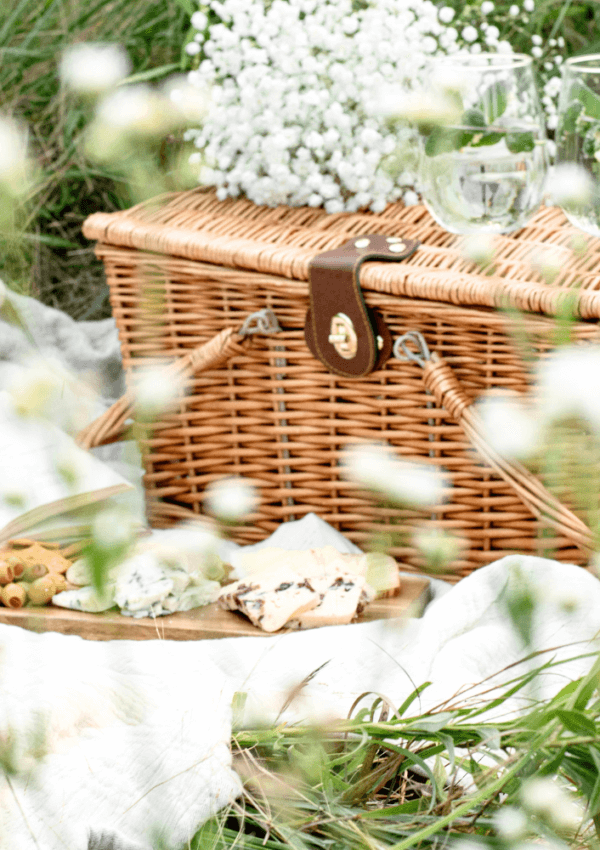
    a picnic as part of 60 fresh ideas for your spring bucket list

    Spring is my favorite time of year. I just love the colors, the beautiful weather, and the sense of renewal it brings.

    No other season invites you to reset, reconnect, and nurture yourself quite like this one.

    So, as we continue moving forward with the goals we set back in January, let’s remember to pause, try new things, and embrace these warmer months ahead.

    To help with that, I’ve created a spring bucket list with 60 fresh ideas to inspire growth, adventure, and exploration, so you can make the most of everything this season has to offer.

    Why Make A Spring Bucket List?

    When winter comes around, we’re usually focused on setting goals for the year and figuring out how to actually follow through on them.

    But as spring approaches, we’re often so busy pushing forward that we forget to slow down and take care of ourselves along the way.

    Spring is all about rebirth, change, and transformation. It’s a natural moment to revisit your routines and bring a little more intention into your everyday life.

    Creating a spring bucket list with small, doable steps can help you strengthen different areas of your life, from mental health and self-awareness to physical health and daily habits.

    Spring Bucket List

    This spring bucket list is filled with activities to boost your mood, inspiration, mindfulness, and overall health during this season.

    These are just suggestions; use them as is or as a template to help you create your own list of ideas.

    You should also note that you don’t have to perform the items on the list in any particular order. Just check them off whenever you complete an activity.

    1. Visit a New Cafe

    Cafes always have signature flavors for each season. So, why not visit a coffee spot you’ve never been to and try a new spring flavor? Allow floral drinks and warm pastries to be your introduction to the season.

    2. Make a Floral-Infused Dessert

    Of course, you can always create something homemade from scratch, but with a spring challenge. Include some kind of edible flower in your dessert, such as hibiscus, rose, or lavender. You could even invite friends over to judge the winner.

    3. Surprise Urban Adventure

    Here’s a fun game. Pull out a local map in another town, close your eyes, and point to a location. Wherever your finger lands, visit the destination and pick an activity to do. Dine at a restaurant, explore a quaint little shop, or take memorable photos.

    4. Host a DIY Spring Cocktail/Mocktail Tasting

    Turn your kitchen into a spring-only cocktail bar. Grab a few seasonal ingredients you haven’t tried together and try to concoct a new cocktail or mocktail. Use floral syrups, fresh herbs, or spring fruits to invent your own spring beverage.

    5. Try a Water Activity

    Spring’s clear blue skies and fair weather make it nearly a crime to stay indoors. Take advantage of the season by trying a water activity. Travel to a nearby lake, river, or coastline and take up water yoga, kayaking, paddleboarding, or even a small speedboat ride. Focus on harnessing the seasonal energy.

    6. Have an Art Adventure

    Take a blank canvas or object and create a “spring-inspired” piece of art. Use paint, chalk, markers, dye (or whatever helps you feel inspired), and don’t leave until you’ve made a masterpiece or maybe just a colorful mess. Hang it somewhere in your home when you’re done.

    7. Have an Evening Rooftop Picnic

    Set up your rooftop with fairy lights, music, blankets, and baskets to have an evening picnic. Eat spring-inspired dishes, dance to upbeat songs, and enjoy the setting sun with yourself or others. Don’t have a rooftop? No problem. If you have the funds, you could rent one for an hour or two for a little seasonal fun.

    8. Take a Stroll in a Secret Garden

    Find a secret or hidden garden, courtyard, or park that you have yet to explore and take a long, peaceful stroll. You’d be surprised at how many tucked-away pathways you can find when you’re looking for them.

    9. Go on a Hike

    Walking is a great form of exercise. But when you pair it with greenery and a trail, it becomes that much more interesting. Try to take moments during your hike to experience how the season appears using your five senses.

    10. Watch the Sunrise From Somewhere New

    Go with a friend, family member, or by yourself and spend the night in a location away from home. Or travel somewhere new and wake up early to watch the sunrise. Take a second to appreciate the view, the company, and the experience.

    11. Have a Sunset Sound Meditation

    Wait until sunset and go sit outside. Settle down and meditate to the music of nature. Listen to the birds chirping, the whisper of wind, or splashing water. Allow the sounds of spring to help you bask in the present moment.

    12. Make a Floral Wreath

    Go to a florist and collect spring flowers to build a seasonal wreath. You can find the stand to weave the flowers in at a craft or department store. When you’re done, hang it on your door or somewhere in your home to announce the arrival of spring.

    13. Take Spring-Themed Photos

    Grab a camera and run around either your home or outside. See if you can capture the essence of spring in photographs. Catch flowers in bloom, different insects, colors, or foliage. Then put them together in a collage.

    14. Do a Morning Workout

    Spring is famous for its bright mornings. Go outside (preferably around nature) and get an early start on your fitness. Let the warm weather and fresh air propel you through your workout. Choose moves that feel good for your body, like gentle stretches or exercises that protect your knees, so that you can enjoy every step.

    15. Try a Spring-Inspired Craft

    Humans were meant to be creative. This season, try a new craft or DIY project inspired by spring. Make nature-themed ceramic mugs, plant terrariums, or even flower crowns. It doesn’t matter if it comes out well or not; we’re chasing memories and experiences.

    16. Put Up Spring Decor

    Decorate your home for the season. You can bring in fresh flowers, display bright colors, hang fairy lights, jars, or cutouts. Anything that screams spring is here.

    17. Taste an Edible Flower

    Flowers are not just meant to be seen. You can also try some of them as well. Find a recipe and include an edible flower. You can add them to homemade muffins, cookies, a charcuterie board, or tea.

    18. Make a Seasonal Vision Board

    Seasonal vision boards are great to make because they help remind you of your goals and hold you accountable for achieving them. You can use colors, cutouts, quotes, and images to paint a picture of what you want your spring to look like. It may also keep you focused on any objective you hope to hit over the next few months.

    19. Make a Wish

    Go outside by yourself or maybe with a group of friends, preferably at night. Write a spring wish or intention on flying wish paper and light it on fire, then watch it fly. 

    20. Do a Spring Fashion Challenge

    Pick a spring theme like a floral print or seasonal color and try to coordinate your entire outfit for this challenge. For instance, if you choose to wear a bright green dress, try to find a matching headband, earrings, necklace, and shoes. Whatever theme you decide on has to be nearly matching, or it doesn’t count.

    21. Attend a Spring Festival

    Many towns will have a festival or some kind of event planned for the upcoming season. Bring some friends along and attend the gathering. While there, do something you normally wouldn’t do: get your face painted, dance to live music, or eat from a food truck.

    22. Do a DIY Spring Scavenger Hunt

    Hide small items or notes in a park or neighborhood and have a friend follow all your clues with a special treat waiting at the end. It’s a creative experience for you and a great way to bond with your friend.

    23. Make a Spring Playlist

    Make a spring playlist of upbeat or relaxing songs you’ve never heard before and include genres you don’t usually listen to. This could be indie, country rock, folk, or something completely different, like kawaii metal. Finding new genres helps you discover more about yourself. Plus, it’s fun.

    24. Upcycle a Planter

    Spring is the perfect time to sow a seed and watch it flourish. Plant seeds indoors or outside. There’s no need to start a whole garden. Simply turn a durable container, such as a ceramic bowl, teapot, or sturdy piece of wood, into a makeshift planter. Drill a few holes at the bottom and voilà. Plant something in your bedroom and give it a name, or grow herbs in your kitchen to serve as decor and a functional ingredient. Don’t have a green thumb? You can always buy a low-maintenance plant and place it in your planter.

    25. Try “Cabbage Patch” Cooking

    Cabbage patch cooking refers to making filling, budget-friendly one-pot meals, particularly with cabbage. This vegetable is a beneficial addition to your diet since it supports gut health. For spring, try making a cabbage patch stew, cabbage patch casserole, or kimchi.

    26. Send a Postcard

    Living in the future is convenient, especially for communication. People across the globe can connect in mere seconds. But this spring, slow it down and handwrite a postcard to a loved one. This allows you to communicate more personally and share special moments without the need for an immediate response. You can also have postcards sent back to you as keepsakes for a collage, scrapbook, or journal.

    27. Start a Junk Journal

    A junk journal is a handmade book with floral designs that’s created using different bookbinding styles. There are essentially no rules for how you make one. Craft it out of recycled materials like cereal boxes, cardboard, or old book covers. Use color, textures, and even nature itself, such as flower petals or leaves. Insert pockets, flaps, and layers. Remember, it’s meant to be unique, imperfect, and creative. When finished, use it for regular journaling, art, or a scrapbook.

    28. Mindful Sunrise Stretch

    Wake up before dawn and perform a yoga or stretching session. Morning movement helps relax the body before the day gets started. The fresh smell of the outdoors and the view of light rising above the horizon will calm the mind as well.

    29. Have a Tea Party

    Who doesn’t like tea? Grab your favorite tea set and find a quiet place to sit outside, preferably somewhere with a nice bit of scenery. Try a new flavor and enjoy a dessert as you bask in your surroundings. Enjoy the moment alone or with friends for a simple get-together.

    30. Take Bloom Photos

    Spring is the season for warmer weather, rebirth, and blooming plants. Take advantage of this time and capture it. Grab a camera and capture images of everything that blooms. Once you’re done, make a spring-themed collage to remember the season.

    31. Start a Spring Reflection Jar

    A great way to introduce mindfulness this season is to start a reflection jar. Write small reflections or observations about your experiences on pieces of paper and place them in a jar. But don’t read them now; instead, save them for next year. It increases introspection and gives you a glimpse into what felt important at the time.

    32. Go on a Blindfolded Surprise Adventure

    Have a family member you trust blindfold you and whisk you away to a surprise location. If you want, they can give you clues to guess the destination along the way. When you arrive, take the blindfold off. It’s a nerve-wracking but playful way to spend time together.

    33. Have a Color Powder Fight

    Invite friends or family to a floral-inspired powder fight. Use FD&C-approved color powders made from cornstarch, which are safer for skin and easier to clean. Have everyone wear white, set up teams, and begin the battle. You can capture the flag or crown whoever walks away the cleanest. Forewarning: it gets messy.

    34. Throw a Night Picnic

    Ever wanted to eat under the stars? Bring a blanket, lanterns, and a basket of food for a peaceful dinner outside. Dine in a field, backyard, on the beach, or even in the car. It’s fun to do something ordinary in an unusual place.

    35. Go on a Foraging Adventure

    Explore a nature trail alone or with a friend while admiring the greenery and fresh air. Wander or follow a guided tour and search for different types of forage. Make a game of finding edible spring plants or herbs.

    36. Have a Flower-Infused Cocktail Crawl

    With friends, travel to different bars within walking distance and ask bartenders to make spring-inspired cocktails. At the end of the crawl, crown the best drink of the night.

    37. Cook a New Spring Meal

    Go to the store and choose a spring ingredient at random. Find a new recipe that showcases the ingredient and try to cook it. Then throw a dinner party and invite your friends or family to taste the dish. It could become a new favorite.

    38. Try a DIY Flower Soda Experiment

    Ever wanted to make your own soda? Take carbonated water and experiment with flower or herb infusions. You may create a signature flavor.

    39. Visit a Quirky Location

    What do you find quirky? A Renaissance festival? A Bigfoot museum? A UFO-themed campsite? Choose a location that seems a little odd to you and explore it for an hour. You might learn something interesting.

    40. Try River Rock Painting

    Take a stone with a smooth surface and paint it. Write positive messages, draw pictures, or mark it with spring colors. Then, leave it on a trail or in a park for someone to find, making sure the place allows it. Try your local park, a community garden, or outside a library.

    41. Take a Micro Trip

    Plan a one-night trip nearby and make a list of things you want to do for that day. Create a full itinerary so you leave with no regrets. Some ideas include a beach day, a cabin stay, or a short camping trip.

    42. Create a Spring Tasting Menu

    Create a five-bite tasting menu: a light starter, appetizer, small dish, main entrée, and dessert. Use only spring ingredients, and make at least two dishes you’ve never tried before. This can get pricey, so set a budget and reuse ingredients to save money.

    43. Try a New Workout Class

    Pick a slightly intimidating (but fun) workout class in your area—something you’ve always wanted to try. Many fitness spaces offer free passes for first-time visitors. Try hot yoga or martial arts. You might love it.

    44. Go to an Outdoor Film Screening

    Watching a film outside is an experience. Look for local screenings (which are often free), or set one up in your backyard with a projector. This is especially fun with classic movies. Bring blankets, popcorn, and good company for a memorable night.

    45. Try a One-Day Digital Detox

    For one day, put your phone on silent and out of sight for a mini digital detox. Spend the whole day outside the house and try to notice the present moment. Pay attention to the colors, scents, sounds, and textures around you, doing your best to move through the day with intention.

    46. Create a Spring Reading List

    Just as you change your music for spring, update your reading list with seasonal stories. Many people gravitate toward themes of growth, renewal, and nature. So, consider a light romance, classic literature, or an uplifting nature-based nonfiction.

    47. Do a Sunset Outdoor Soak

    Soaking in a hot tub can reduce stress, improve sleep, ease muscle pain, and support circulation. If you have access to one, enjoy an outdoor soak near sunset to mark the seasonal shift.

    48. Have a Sunrise Hilltop Breakfast

    Sunrises are a beautiful way to start the day. Pack a breakfast and eat somewhere high enough to enjoy the view before the world gets too loud.

    49. Do a Photo Walk (No Posting)

    Most photos are taken for social media. But this spring, try taking photos just for yourself. Walk around and capture the seasonal beauty, then store the images privately as personal memories.

    50. Spring Clean Your Life

    Spring cleaning usually means tidying your space; however, did you know you can spring-clean your life, too? Try decluttering things like your social media, finances, daily habits, or relationships. Make a list of what needs attention and take steps to improve each area.

    51. Seasonal Food Swap Night

    Pick one spring recipe you make well and have a friend do the same. Swap dishes and invite other friends to judge whose turned out better. Remember, a little friendly rivalry never hurt anyone.

    52. Borrow a Friend’s Hobby for a Day

    Try one of your friends’ hobbies for a day, like knitting, Pilates, ceramics, book club, etc. The only rule here is that it has to be a new activity for you. Don’t worry about being good at it. The goal is bonding, not perfection.

    53. Do a Seasonal Photoshoot

    Do this solo or with a friend. Dress in your spring best(hair, nails, makeup—the works) and head outside for a spring-themed shoot. Enjoy the fresh air and make memories.

    54. Try a One-Week Habit Challenge

    Choose one small habit that benefits your personal or professional life, like waking up earlier or meal prepping. Do it daily for a week and note any changes. Keep the habit small so it’s realistic.

    55. Take a Dawn Ferry Ride

    Take a ferry or harbor cruise at dawn and watch the sunrise from the water. Put your phone away, sip your coffee, and wait for the world to wake up.

    56. Attempt a Micro-Fear Confrontation

    Eleanor Roosevelt once said, “Do one thing every day that scares you.” Therefore, pick one small fear and attempt it. The goal is personal growth, so nothing too extreme.

    57. Create a “Spring Persona”

    Create a version of yourself you aspire to become and live as that person for 24 hours. Walk, dress, and act differently. If doubt creeps in, think about how your future self would respond and proceed with that mindset.

    58. Have a No-Plan Morning

    Clear your schedule and wake up with no agenda. Skip routines, get dressed, and head out. Just let the morning surprise you.

    59. Bike Everywhere

    Spend one day exploring your city using only your bike. Stop at local spots and enjoy seeing places you’d normally miss while driving.

    60. Visit an Arboretum

    An arboretum is a “living museum” filled with trees, plants, and shrubs. These spaces exist to conserve and study plant species. Many offer self-guided tours and are pet-friendly, making them perfect for a spring walk with your furry friend.

    spring bucket list

    Related Posts

    Hot Girl Summer Bucket List for Women Who Want to Have A Little More Fun

    31 Fun Activities for Your October Bucket List

    31 Cool Ideas for Your December Bucket List

    31-Day January Bucket List

    Beginner’s Guide to Seasonal Eating: What to Eat & Why

    Spring Into Your Next Chapter

    That was our spring bucket list with 60 activities to support your path toward self-discovery, creativity, and well-being.

    I tried to make every idea something you’d actually enjoy doing, not just another item on a checklist.

    Whether you follow this list or create your own, I hope you have a spring to cherish for years to come.

    Happy spring!

    spring bucket list

    Special Thanks

    Photo by Svitlana on Unsplash

  • 10 Things to Spring-Clean in Your Life

    10 Things to Spring-Clean in Your Life

    While cleaning and decluttering often come to mind, spring also brings the opportunity to let go of old routines and step into healthier, more intentional ways of living.

    Whether it’s improving your eating, committing to a workout schedule, or finding more balance in your days, this season is the perfect time to clear out what’s no longer serving you and make space for habits that support your well-being. 

    After the holiday season, winter can leave us feeling scattered just as new energy begins to bloom.

    Carrying that sense of renewal into your routines and mindset can help you feel lighter, more focused, and ready for growth.

    In this post, we’ll share 10 things to spring-clean in your life, helping you create an environment (inside and out) where you can feel your best and thrive in the months ahead.

    Why You Should Spring-Clean Your Life

    Just as we prepare for different seasons throughout the year, it’s important to adjust different areas of our lives to meet our changing needs.

    During the colder months, we tend to slow down, close ourselves off a bit, and fill our homes as well as schedules with things meant to get us through the season.

    When spring arrives, some of those habits and routines start to feel heavy rather than helpful. Keeping them around can deplete our energy instead of preparing us for what’s ahead.

    Spring-cleaning your life is about recognizing that shift and responding to it with intention. By letting go of what no longer fits, you create room for growth, clarity, and new possibilities.

    This kind of preparation allows you to move forward feeling lighter, more aligned, and open to the positive changes ahead.

    Areas to Spring-Clean in Your Life

    Spring-cleaning is often associated with your home, but the areas that need attention aren’t always physical.

    The list below focuses on everyday habits, routines, and patterns that may affect your energy and focus over time.

    These are small but meaningful areas where letting go, adjusting, or simplifying can make room for growth as the season moves forward.

     Reduce Visual Clutter

    When there’s too much in front of you, your brain doesn’t get a break.

    Visual clutter can raise stress levels and make it harder to focus or relax, even when you’re not consciously aware of it.

    Items that accumulate on surfaces tend to compete for attention and create mental noise.

    Clearing a few high-traffic areas—like your desk, nightstand, or kitchen counter—can quickly make a space feel more open and easier to be in.

    Tidy Up Your Living Spaces

    Once extra clutter is out of the way, it’s easier to notice how a space actually works for you.

    A room can look fine at first glance and still feel frustrating if nothing has a clear place. When everyday items are easy to find and put away, the space feels calmer and less stressful.

    Small routines like putting things back where they belong or doing a quick weekly reset can help your space feel supportive instead of stressful.

    Declutter Your Digital Life

    Spring cleaning doesn’t stop at physical spaces.

    Digital clutter like unread emails, unused apps, and overflowing photo libraries can quietly pile up and compete for your attention.

    When your digital space feels crowded, even simple tasks can start to feel overwhelming.

    Taking time to delete apps you don’t use, clear out old files, or organize your inbox helps reduce that background noise.

    A cleaner digital space makes it easier to stay organized and approach your day with more clarity.

    Clear Mental Clutter

    Just as physical clutter builds up over time, mental clutter does too. Between work, finances, relationships, and daily responsibilities, thoughts can pile up without much notice.

    When your mind feels overloaded, it often affects your mood, productivity, and ability to relax.

    Creating small moments to slow down such as when you write things down, spend a few quiet minutes alone, or step away from your screens may help create clarity and promote mindfulness.

    Organize Your Tech and Screen Time

    Even when your devices are tidy, how often you use them matters just as much.

    With phones, TVs, and social media always within reach, it’s easy to stay connected longer than you intend.

    Over time, that constant stimulation can leave little room for rest or reflection.

    Creating simple boundaries like limiting scrolling, setting screen-free times, or being intentional about when you check notifications helps technology support your life rather than take over.

    When your screen habits are more balanced, it becomes easier to make time for activities that truly recharge you.

    Refresh Your Social Life

    A fulfilling social life should feel supportive, not exhausting.

    As routines fill up and plans stack onto one another, social commitments can slowly shift from something you look forward to into something you feel obligated to keep.

    Spring is a good moment to pause and take a closer look at how you’re spending your time with others.

    By prioritizing connections that matter to you and stepping away from commitments that have run their course, your relationships can become more intentional and genuinely enjoyable again.

    Improve Your Eating Habits

    What you eat plays a big role in your physical and mental well-being. When meals are rushed or lacking in nutrients, it can be harder to stay focused and maintain your strength.

    Improving your eating habits doesn’t require perfection—it starts with awareness.

    By paying closer attention to your daily meals and choosing foods that nourish your body, you can support your mood, focus, and overall sense of wellness over time.

    Refresh Your Wardrobe

    Closets tend to collect more than we realize over time. Clothes you’ve outgrown, pieces you haven’t worn in years, or items you keep out of habit can quietly pile up.

    Some of those clothes may even be tied to old memories or past versions of yourself that don’t really match who you are now.

    As life changes, it’s natural for your style and needs to change too.

    Taking a little time to sort through what you wear, donate what’s been sitting untouched, and keep what actually fits your life can be surprisingly freeing.

    Opening a closet that feels easier to manage and filled with clothes you truly wear makes getting dressed simpler, more enjoyable, and sets a better tone for the day.

    Organize Your Finances

    Financial stress has a way of affecting many areas of life at once. When money feels disorganized or burdensome, it has the potential to weigh on your mental health.

    Taking time to look over your finances, even in small ways, may bring a sense of clarity and control.

    Simple habits like tracking expenses or setting aside money intentionally can help reduce stress and make your financial life feel more manageable.

    Build Healthier Daily Habits

    The last area on this list to spring-clean in your life is your habits, especially the ones that consistently support you.

    When life feels cluttered, healthy routines are often the first to slip away, while old habits and unhelpful patterns slowly move in.

    Once you’ve created more space in your environment and schedule, it becomes easier to let go of what no longer serves you and prioritize habits that help you feel your best.

    Small, steady choices like staying hydrated, getting enough rest, or moving your body can add up to meaningful change over time.

    Related Posts

    Top 7 Bedroom Essentials for Mental Health

    10 Mini Self-Care Ideas for Daily Mindfulness

    7 Life-Changing Ideas for How to Love Yourself More

    Spring into Action!

    If you’ve made it to the end of this list, you’re already ready to start refreshing your life.

    The methods we’ve shared aren’t just about clearing space, they’re about bringing structure, balance, and healthier habits into your everyday routine.

    Spring-cleaning your life gives you a chance to create the changes you’ve been thinking about, reflect on what you’re capable of, and step into the season ready to embrace new possibilities.

    If you have any questions or comments, leave them below or send a message through the contact page.

    Don’t forget to sign up for the email list to stay updated on the latest posts—you’ll even get a free fitness guide when you sign up through the pop-up form.

    Happy spring-cleaning!

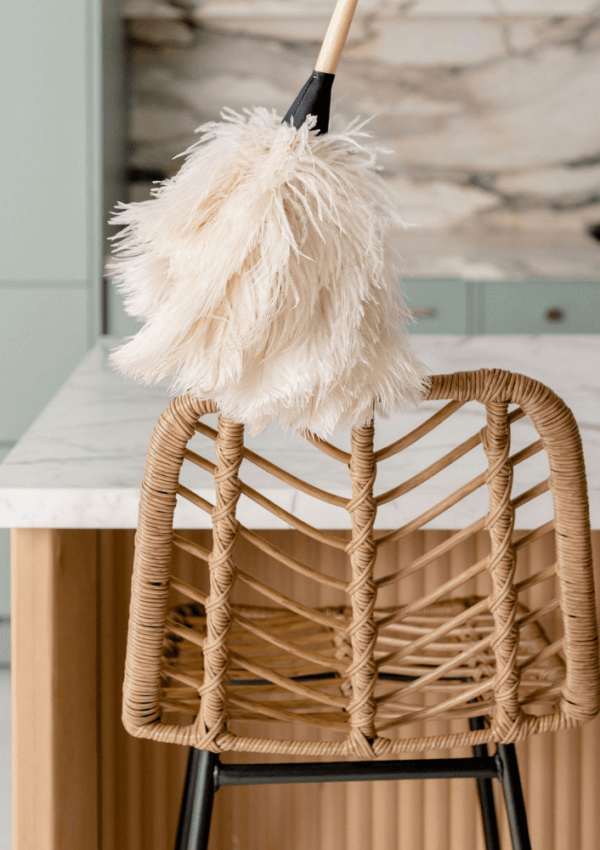
     a woman spring cleaning a chair
    Guest Post
    post

    Brittany Strong has an associate’s degree in communications and is an engineering major at Florida Atlantic University. When she’s not writing code, you can find Brittany playing with her Morkie Terrier or digging into a classic fiction novel.

    Special Thanks:

    Photo by Kate Laine on Unsplash

  • 5 Best Exercises to Reduce Knee Pain at Home

    5 Best Exercises to Reduce Knee Pain at Home

    It’s no secret on this blog that I have incredibly sensitive knees, partly because of my overactive upbringing and partly because I somehow still manage to knock them into things.

    But recently, I dealt with a level of knee pain that disrupted my life for weeks. Even simple activities like exercising, walking, sitting, and sleeping became uncomfortable.

    I decided to build a workout that would ease the discomfort while still helping me build muscle safely.

    And it worked! So well, in fact, that I figured it would’ve been criminal not to share it. With all that said, here are 5 of the best exercises to reduce knee pain at home.

    This post contains affiliate links, meaning that if you choose to click through and make a purchase, I will receive a small commission at no additional cost to you.

    Will knee pain go away with exercise?

    The short answer is: yes! Exercise is one of the best and most important things you can do to reduce knee pain.

    Of course, this depends on the level of injury you have and if you’ve been cleared to exercise by a licensed professional.

    But knee discomfort often arises from issues taking place either above or below the joint. Usually at the hips, glutes, and feet.

    Because of this, strengthening (and stretching) the muscles around the knee helps improve stability, functionality, and range of motion. 

    When the surrounding muscles become stronger, they are able to take on much of the stress placed on the legs.

    This reduces any unnecessary strain on the knee and helps ease pain over time. 

    Relatable Posts

    3 Low-Impact Knee-Strengthening Exercises

    Best Joint-Friendly Exercises for Bad Knees

    5 Best Leg Exercises for Women

    5 Best Butt Exercises for Women to Build a Perky Backside

    Best Exercises to Reduce Knee Pain

    You may have seen some of these exercises before, and that is because many of them are staples when it comes to strength training, especially in the knees and glutes.

    However, this workout was designed not only to help reverse mild knee pain but also to build up the muscles that support the knee to prevent further injury.

    Warm-Up (5-8 minutes)

    Here’s a simple warm-up to do before your workout.

    • 5 minutes of walking or stationary biking
    • Assisted wall squats: 6–10 reps
    • Leg swings (forward and sideways): 10 per side
    • Ankle rolls: 10 per direction
    • Hip circles or hip rolls: 8–10 each direction
    • Hip hinges: 8–10 reps
    • Glute bridges: 6–10 reps

    Wall Sits

    Wall sits are some of the best at-home knee exercises anyone can do for pain relief.

    They’re an isometric movement, meaning they work the muscle by holding a specific position, absent of any active motion.

    Because you are sitting against a flat surface, this exercise forces your body (quads in particular) to work against gravity, building strength around the knee.

    How to Perform Wall Sits

    Start by standing hip-width apart with your back facing a stable wall. Step one to three feet out from the wall, depending on your leg length. Then squat down until your quads are parallel to the floor.

    As you squat, your entire back should be resting against the wall, almost as if you’re sitting in an invisible chair.

    Set a timer anywhere from 10–30 seconds if you’re a beginner, gradually working up to a full minute. To stand, press lightly into the wall with your palms, then repeat for four sets.

    Cues

    Keep a neutral spine; don’t hunch your back.

    Press lightly into the wall to maintain the squat without collapsing.

    Make sure your knees are tracking over your toes, not bending past them.

    Feet can face straight ahead or slightly turned out.

    Woman performing a wall sit as part of the 5 best exercises to reduce knee pain at home.

    Single Leg Hip Thrust

    The single-leg hip thrust is the first, but not the last, unilateral exercise on this list.

    Unilateral simply means you’re working one leg at a time, which helps build individual leg strength, stability, and range of motion.

    This exercise can help correct muscle imbalances while strengthening your glutes and hip flexors, which are two areas that can contribute to knee discomfort when they’re weak or tight.

    How to Perform a Single Leg Hip Thrust

    Start this exercise the same way you would a regular hip thrust: sitting on the ground with your back against a chair or bench. (You can also do this flat on the floor, but we’ll use the elevated version here.)

    Lean the upper part of your back against the chair or bench and position your working foot flat on the ground, facing forward. Lift your non-working leg slightly off the floor.

    Push through your working heel and lift your hips toward the ceiling. Hold at the top for 1–3 seconds, then lower your hips back down.

    Repeat for 10–12 reps, switch sides, and complete 4 sets total.

    Cues

    Ensure that your working knee bends at a 90-degree angle with the knee over the ankle.

    Keep your knee facing forward. Don’t let it cave inward, a common mistake and a potential point of injury with this exercise.

    Keep a neutral spine and squeeze your glutes at the top of the movement to prevent arching the back.

    Use your bodyweight as resistance to start, only adding weight when the set and rep range feel less challenging.

    Place your elbows on either side of the chair or bench (if needed) to maintain balance.

    Woman performing a single leg hip thrust as part of the 5 best exercises to reduce knee pain at home.

    Reverse Lunges

    The reverse lunge is another unilateral movement and one of the most knee-friendly lower-body exercises you can do.

    Because your front foot stays planted, reverse lunges tend to place less strain on the knee joint than forward lunges.

    Since this exercise primarily targets the hamstrings and glutes, it helps strengthen two key muscles that support the knee from a stable, controlled position.

    How to Perform Reverse Lunges

    Begin standing with your feet hip-width apart. Step back with one leg and bend both knees to about a 90-degree angle.

    Hover your back knee just off the ground for a moment, then push through your front heel to return to standing.

    Repeat for 10–12 reps, switch sides, and complete 4 sets total.

    Cues

    Maintain a neutral spine throughout the movement, aligning your shoulder, hip, and knee (of the back leg) during the dip.

    Keep your hands at your sides or resting on your hips.

    Keep your front knee tracking over your toes; don’t let it cave inward. 

    Woman performing a reverse lunge as part of the 5 best exercises to reduce knee pain at home.

    Box Squats

    Box squats are a go-to exercise for improving knee stability and overall squat mechanics.

    They’re especially helpful for learning proper squat form because the box or chair gives you a clear depth target.

    This movement strengthens the quads, which handle much of the stress from everyday actions like walking, climbing stairs, and squatting, so that stress doesn’t get dumped onto your knees.

    Think of your quads as shock absorbers that help stabilize the joint and reduce pain.

    How to Perform Box Squats

    Grab a chair or box that allows you to squat comfortably to about a 90-degree knee angle, with your feet flat on the floor.

    Stand with your feet hip-width apart (or slightly wider) and position yourself a few inches in front of the chair or box.

    Slowly squat down until you lightly tap the chair or box with your glutes. Then push through your feet to return to a standing position.

    Perform 10–15 reps for 4 sets total.

    Cues

    Keep your hands at your sides or hold them out in front as a counterbalance.

    Maintain a neutral spine with your chest up and shoulders relaxed.

    Lightly tap the chair or box, don’t fully relax at the bottom.

    Squeeze your glutes at the top of the movement.

    Keep your knees tracking over your toes, not caving inward or drifting excessively forward.

    Woman performing a box squat as part of the 5 best exercises to reduce knee pain at home.

    Clamshells 

    Clamshells are a great low-impact exercise to include in any knee-strengthening routine.

    They primarily target the hips and glutes, specifically the hip external rotators and glute medius.

    These muscles play a key role in keeping the knee from caving inward and reducing unnecessary strain on the joint.

    How to Perform the Clamshell

    Begin by lying on your side. You can prop your upper body up with your hand or rest your head on your arm for support.

    Bend your knees to about a 90-degree angle and stack them on top of each other. Shift your hips slightly forward to prevent rolling backward during the movement.

    Keeping your feet together, lift your top knee as high as comfortable without rotating your hips. Hold for 1–2 seconds at the top (as long as it doesn’t cause discomfort).

    Slowly return to the starting position. Repeat for 10–12 reps, switch sides, and complete 4 sets total.

    Cues

    Keep your core engaged throughout the movement.

    Maintain a neutral spine, forming a straight line from your shoulders to your hips.

    Lift only the knee, keeping your feet connected the entire time.

    Drive the movement with your glutes, not your lower back or foot.

    Woman performing a clamshell as part of the 5 best exercises to reduce knee pain at home.

    Cool-Down (5 minutes)

    Here’s a simple cool-down routine to do after your workout.

    • 90/90 hip stretch
    • Runner’s lunge stretch
    • Seated or standing quad stretch
    • Figure-4 stretch

     Hold each stretch for 20–30 seconds, breathing slowly.

    How to Progress This Knee-Friendly Workout

    If you’re recovering from knee pain, you should progress through this workout gradually.

    Begin this routine using only your bodyweight for approximately 4 to 6 weeks, allowing your joints and supporting muscles time to adapt to the new stress.

    After you can complete all movements with proper form and experience little to no lingering knee pain or swelling, you may begin adding light resistance.

    This can include a resistance band or a 5 to 8-pound weight.

    Continue using resistance for another 4 to 6 weeks, increasing it only when you can perform the exercises pain-free and with good form.

    Perform this workout no more than three times per week, allowing rest days in between sessions for recovery.

    Knee Support

    Before performing any knee exercises, make sure you have the right support.

    As a fitness professional, I advise anyone experiencing knee pain to consider using either a knee sleeve or a knee brace.

    These can be purchased at most sporting goods stores or online. I personally like having color options, and many in-store selections tend to be limited to basic hues.

    A knee sleeve is typically used for minor discomfort or mild injuries.

    It provides compression and warmth, which can help improve circulation, reduce discomfort, and offer light support while you move.

    Knee sleeves are especially helpful for staying active without aggravating knee pain.

    knee sleeve knee pain relief

    A knee brace, on the other hand, is generally recommended for more moderate to severe knee issues.

    This may include post-surgery recovery, ligament injuries, or structural instability within the joint. Braces are designed to provide added stabilization and support when extra protection is needed.

    knee brace for knee pain relief

    What is the best exercise for painful knees?

    There is no single best exercise for painful knees. Instead, a combination of movements such as lying single-leg raises, wall sits, hamstring curls, and calf raises can help strengthen the muscles around the knee. When those surrounding muscles are stronger, they absorb more stress, which can reduce pain and support recovery.

    What is the #1 mistake for bad knees?

    The number one mistake people make with bad knees is remaining sedentary. Sitting for long periods weakens key muscles in the hips, glutes, and quads that support the knee by stabilizing the lower body, absorbing stress, and allowing you to move through a full range of motion.

    What helps knee pain go away?

    It’s always best to see a doctor if you’re dealing with lingering or persistent knee pain. A medical professional may recommend physical therapy, lifestyle changes, or other treatment options depending on the cause.

    For short-term relief, you can try the RICE method. This includes resting the affected leg to prevent further irritation, icing the knee for about 20 minutes to reduce inflammation, compressing the area with a bandage to limit swelling, and elevating the leg above heart level when possible.

    Over-the-counter medications such as ibuprofen (Advil) or acetaminophen (Tylenol) may also help manage pain temporarily. Once pain begins to improve, gentle stretching and low-impact exercise can help strengthen and relax the muscles surrounding the knee.

    How to lubricate joints naturally?

    To support joint lubrication naturally, staying well-hydrated is key. Water helps maintain synovial fluid, which lubricates the cartilage, reduces friction, and allows your joints to move smoothly.

    Eating anti-inflammatory foods may also support joint health. Foods rich in omega-3 fatty acids—such as fatty fish, nuts, and avocados—can help reduce inflammation, while vitamin C–rich foods like citrus fruits support collagen production for cartilage.

    Regular low-impact movement, including resistance training, stretching, or yoga, can also help stimulate synovial fluid and strengthen the muscles that support your joints. Lastly, taking rest days allows your joints time to recover from physical activity.

    What are the four causes of knee pain?

    The four main causes of knee pain include arthritis (especially osteoarthritis), acute injuries such as ACL tears, overuse conditions like tendonitis, and mechanical issues such as loose cartilage or joint misalignment.

    What is a red flag in knee pain?

    Red flags for knee pain include sudden or severe pain, inability to bear weight, difficulty walking, buckling or locking of the knee, noticeable deformity, or significant swelling and warmth—especially if accompanied by fever or redness, which may indicate infection. Persistent pain that does not improve with rest or pain that disrupts sleep should also be evaluated by a medical professional.

    Which vitamin deficiency causes knee joint pain?

    Certain vitamin deficiencies can contribute to joint pain by affecting bone health, muscle function, and cartilage integrity. Low vitamin D levels are commonly associated with weakened bones, increased inflammation, and worsened osteoarthritis symptoms. Deficiencies in calcium, magnesium, and vitamin C may also negatively affect bone strength, muscle function, and collagen production.

    Is walking good for knee pain?

    Yes, walking is generally considered beneficial for knee pain. It’s a low-impact activity that helps strengthen muscles, lubricate joints, improve flexibility, and support weight management, which can reduce stress on the knees.

    That said, it’s important to start gradually and wear supportive footwear to avoid worsening symptoms. When done consistently and at a comfortable pace, walking can help reduce the risk of future knee pain and improve overall joint function.

    UnbeKNEEvable

    Knee pain is just as frustrating as it is inconvenient. Fortunately, there are things you can do to help manage it. If you’re on the road to recovery and have been cleared by a doctor, try the workout above. It was designed and tested by someone who genuinely needed it.

    Not only can this routine help reduce knee discomfort, but it also allows you to build muscle safely without placing unnecessary stress on your joints. Aim to perform these movements no more than three times per week to start, and be sure to give yourself plenty of time to rest and recover.

    If you have any questions or comments, leave them below or send me a message through the contact page. Don’t forget to sign up for the email list to stay updated on the latest posts. You’ll even get a free fitness guide when you sign up through the pop-up form. Happy exercising!

    Disclaimer: The information shared in this post is for general educational and motivational purposes only. It is not medical advice and should not replace guidance from a licensed healthcare professional. Always listen to your body and consult with a qualified medical provider before beginning any new exercise, wellness, or nutrition routine. Especially if you have existing health conditions or concerns.

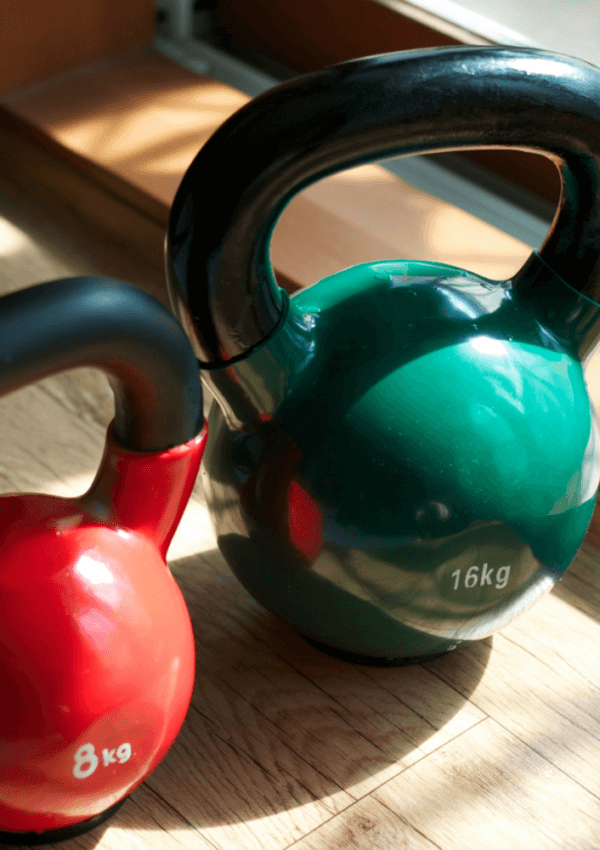
    Picture of kettle bells to use with your 5 exercises to reduce knee pain at home