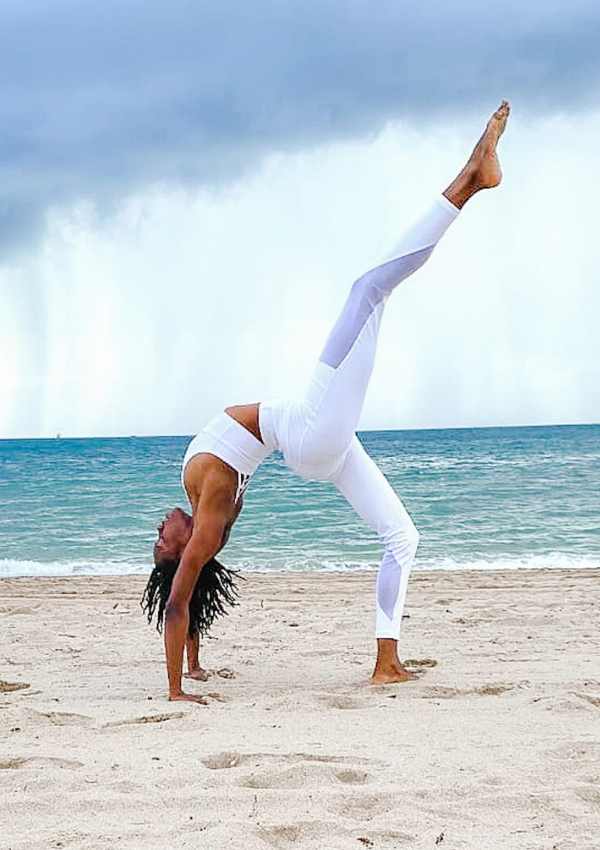
It’s no secret on this blog that I have incredibly sensitive knees, partly because of my overactive upbringing and partly because I somehow still manage to knock them into things.
But recently, I dealt with a level of knee pain that disrupted my life for weeks. Even simple activities like exercising, walking, sitting, and sleeping became uncomfortable.
I decided to build a workout that would ease the discomfort while still helping me build muscle safely.
And it worked! So well, in fact, that I figured it would’ve been criminal not to share it. With all that said, here are 5 of the best exercises to reduce knee pain at home.
This post contains affiliate links, meaning that if you choose to click through and make a purchase, I will receive a small commission at no additional cost to you.
Will knee pain go away with exercise?
The short answer is: yes! Exercise is one of the best and most important things you can do to reduce knee pain.
Of course, this depends on the level of injury you have and if you’ve been cleared to exercise by a licensed professional.
But knee discomfort often arises from issues taking place either above or below the joint. Usually at the hips, glutes, and feet.
Because of this, strengthening (and stretching) the muscles around the knee helps improve stability, functionality, and range of motion.
When the surrounding muscles become stronger, they are able to take on much of the stress placed on the legs.
This reduces any unnecessary strain on the knee and helps ease pain over time.
Relatable Posts
3 Low-Impact Knee-Strengthening Exercises
Best Joint-Friendly Exercises for Bad Knees
5 Best Leg Exercises for Women
5 Best Butt Exercises for Women to Build a Perky Backside
Best Exercises to Reduce Knee Pain
You may have seen some of these exercises before, and that is because many of them are staples when it comes to strength training, especially in the knees and glutes.
However, this workout was designed not only to help reverse mild knee pain but also to build up the muscles that support the knee to prevent further injury.
Warm-Up (5-8 minutes)
Here’s a simple warm-up to do before your workout.
- 5 minutes of walking or stationary biking
- Assisted wall squats: 6–10 reps
- Leg swings (forward and sideways): 10 per side
- Ankle rolls: 10 per direction
- Hip circles or hip rolls: 8–10 each direction
- Hip hinges: 8–10 reps
- Glute bridges: 6–10 reps
Wall Sits
Wall sits are some of the best at-home knee exercises anyone can do for pain relief.
They’re an isometric movement, meaning they work the muscle by holding a specific position, absent of any active motion.
Because you are sitting against a flat surface, this exercise forces your body (quads in particular) to work against gravity, building strength around the knee.
How to Perform Wall Sits
Start by standing hip-width apart with your back facing a stable wall. Step one to three feet out from the wall, depending on your leg length. Then squat down until your quads are parallel to the floor.
As you squat, your entire back should be resting against the wall, almost as if you’re sitting in an invisible chair.
Set a timer anywhere from 10–30 seconds if you’re a beginner, gradually working up to a full minute. To stand, press lightly into the wall with your palms, then repeat for four sets.
Cues
Keep a neutral spine; don’t hunch your back.
Press lightly into the wall to maintain the squat without collapsing.
Make sure your knees are tracking over your toes, not bending past them.
Feet can face straight ahead or slightly turned out.

Single Leg Hip Thrust
The single-leg hip thrust is the first, but not the last, unilateral exercise on this list.
Unilateral simply means you’re working one leg at a time, which helps build individual leg strength, stability, and range of motion.
This exercise can help correct muscle imbalances while strengthening your glutes and hip flexors, which are two areas that can contribute to knee discomfort when they’re weak or tight.
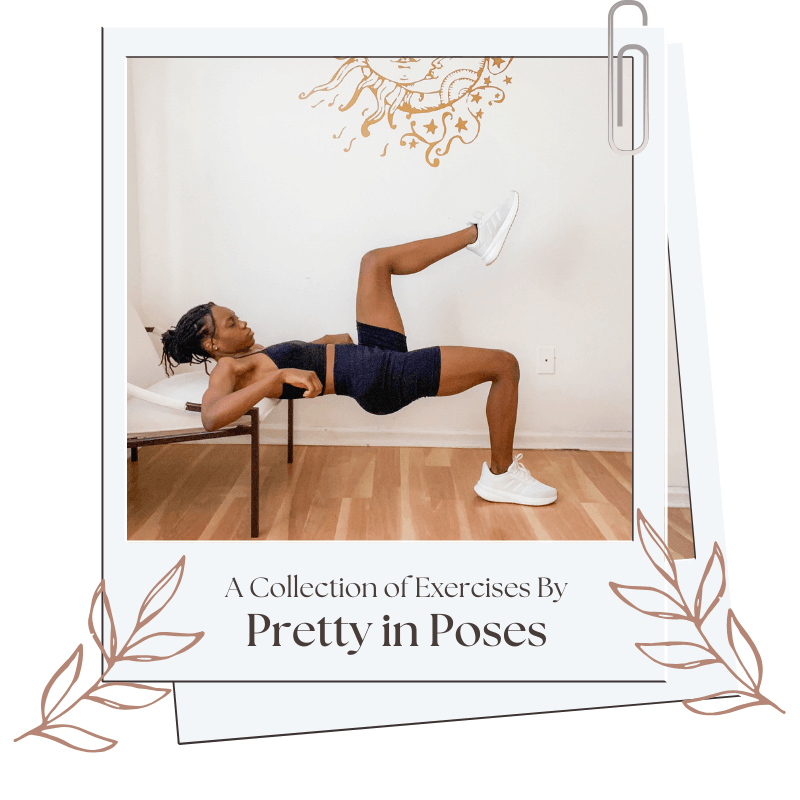
How to Perform a Single Leg Hip Thrust
Start this exercise the same way you would a regular hip thrust: sitting on the ground with your back against a chair or bench. (You can also do this flat on the floor, but we’ll use the elevated version here.)
Lean the upper part of your back against the chair or bench and position your working foot flat on the ground, facing forward. Lift your non-working leg slightly off the floor.
Push through your working heel and lift your hips toward the ceiling. Hold at the top for 1–3 seconds, then lower your hips back down.
Repeat for 10–12 reps, switch sides, and complete 4 sets total.
Cues
Ensure that your working knee bends at a 90-degree angle with the knee over the ankle.
Keep your knee facing forward. Don’t let it cave inward, a common mistake and a potential point of injury with this exercise.
Keep a neutral spine and squeeze your glutes at the top of the movement to prevent arching the back.
Use your bodyweight as resistance to start, only adding weight when the set and rep range feel less challenging.
Place your elbows on either side of the chair or bench (if needed) to maintain balance.
Reverse Lunges
The reverse lunge is another unilateral movement and one of the most knee-friendly lower-body exercises you can do.
Because your front foot stays planted, reverse lunges tend to place less strain on the knee joint than forward lunges.
Since this exercise primarily targets the hamstrings and glutes, it helps strengthen two key muscles that support the knee from a stable, controlled position.
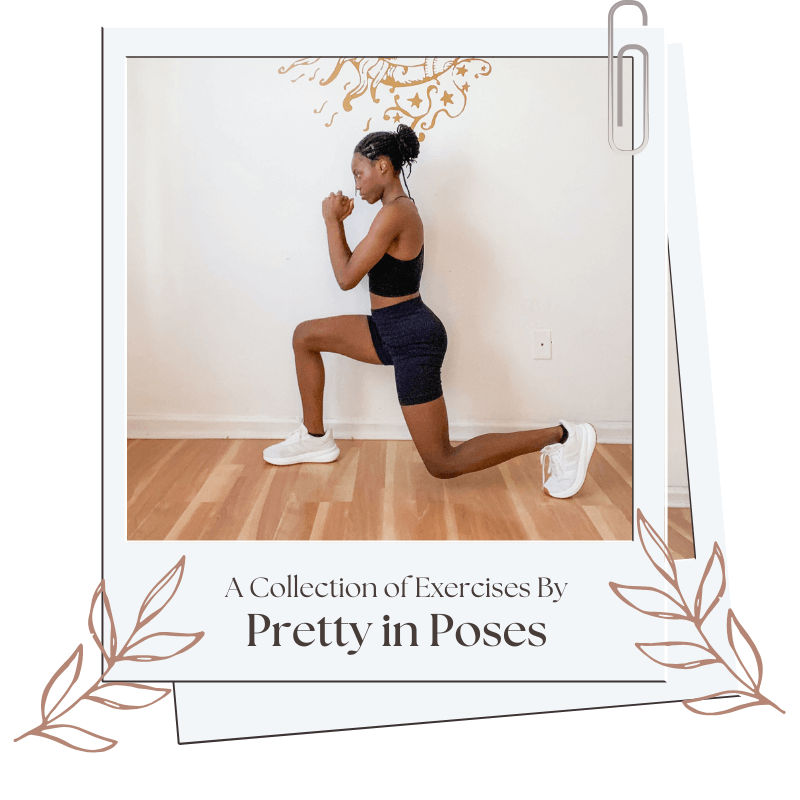
How to Perform Reverse Lunges
Begin standing with your feet hip-width apart. Step back with one leg and bend both knees to about a 90-degree angle.
Hover your back knee just off the ground for a moment, then push through your front heel to return to standing.
Repeat for 10–12 reps, switch sides, and complete 4 sets total.
Cues
Maintain a neutral spine throughout the movement, aligning your shoulder, hip, and knee (of the back leg) during the dip.
Keep your hands at your sides or resting on your hips.
Keep your front knee tracking over your toes; don’t let it cave inward.
Box Squats
Box squats are a go-to exercise for improving knee stability and overall squat mechanics.
They’re especially helpful for learning proper squat form because the box or chair gives you a clear depth target.
This movement strengthens the quads, which handle much of the stress from everyday actions like walking, climbing stairs, and squatting, so that stress doesn’t get dumped onto your knees.
Think of your quads as shock absorbers that help stabilize the joint and reduce pain.
How to Perform Box Squats
Grab a chair or box that allows you to squat comfortably to about a 90-degree knee angle, with your feet flat on the floor.
Stand with your feet hip-width apart (or slightly wider) and position yourself a few inches in front of the chair or box.
Slowly squat down until you lightly tap the chair or box with your glutes. Then push through your feet to return to a standing position.
Perform 10–15 reps for 4 sets total.
Cues
Keep your hands at your sides or hold them out in front as a counterbalance.
Maintain a neutral spine with your chest up and shoulders relaxed.
Lightly tap the chair or box, don’t fully relax at the bottom.
Squeeze your glutes at the top of the movement.
Keep your knees tracking over your toes, not caving inward or drifting excessively forward.

Clamshells
Clamshells are a great low-impact exercise to include in any knee-strengthening routine.
They primarily target the hips and glutes, specifically the hip external rotators and glute medius.
These muscles play a key role in keeping the knee from caving inward and reducing unnecessary strain on the joint.
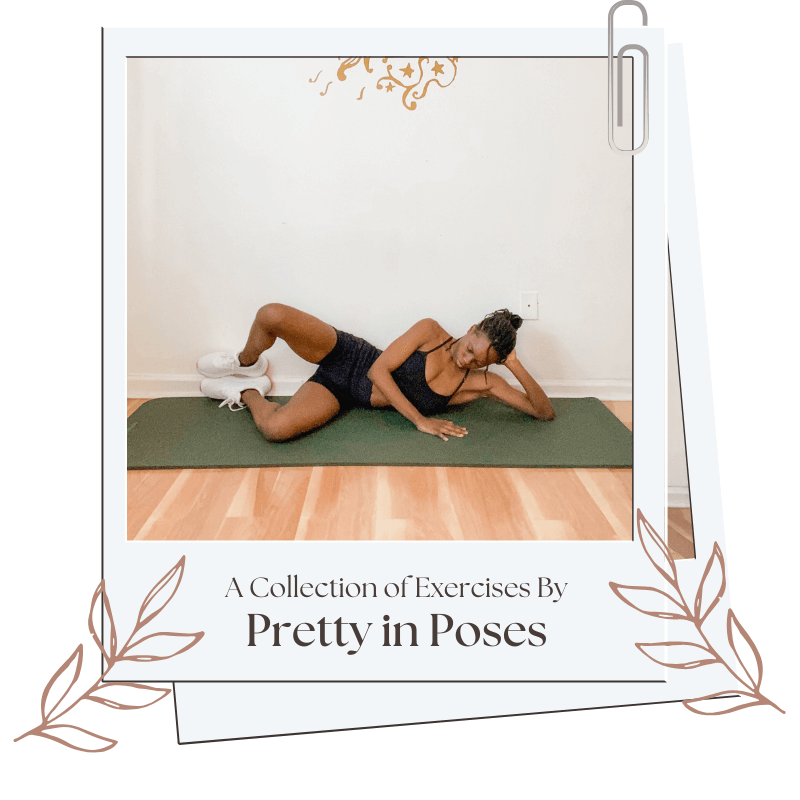
How to Perform the Clamshell
Begin by lying on your side. You can prop your upper body up with your hand or rest your head on your arm for support.
Bend your knees to about a 90-degree angle and stack them on top of each other. Shift your hips slightly forward to prevent rolling backward during the movement.
Keeping your feet together, lift your top knee as high as comfortable without rotating your hips. Hold for 1–2 seconds at the top (as long as it doesn’t cause discomfort).
Slowly return to the starting position. Repeat for 10–12 reps, switch sides, and complete 4 sets total.
Cues
Keep your core engaged throughout the movement.
Maintain a neutral spine, forming a straight line from your shoulders to your hips.
Lift only the knee, keeping your feet connected the entire time.
Drive the movement with your glutes, not your lower back or foot.
Cool-Down (5 minutes)
Here’s a simple cool-down routine to do after your workout.
- 90/90 hip stretch
- Runner’s lunge stretch
- Seated or standing quad stretch
- Figure-4 stretch
Hold each stretch for 20–30 seconds, breathing slowly.
How to Progress This Knee-Friendly Workout
If you’re recovering from knee pain, you should progress through this workout gradually.
Begin this routine using only your bodyweight for approximately 4 to 6 weeks, allowing your joints and supporting muscles time to adapt to the new stress.
After you can complete all movements with proper form and experience little to no lingering knee pain or swelling, you may begin adding light resistance.
This can include a resistance band or a 5 to 8-pound weight.
Continue using resistance for another 4 to 6 weeks, increasing it only when you can perform the exercises pain-free and with good form.
Perform this workout no more than three times per week, allowing rest days in between sessions for recovery.
Knee Support
Before performing any knee exercises, make sure you have the right support.
As a fitness professional, I advise anyone experiencing knee pain to consider using either a knee sleeve or a knee brace.
These can be purchased at most sporting goods stores or online. I personally like having color options, and many in-store selections tend to be limited to basic hues.
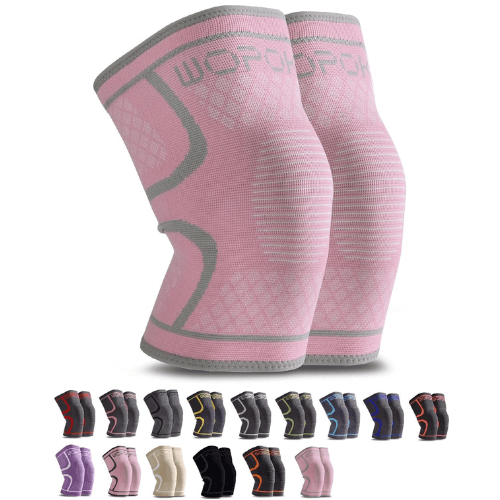
A knee sleeve is typically used for minor discomfort or mild injuries.
It provides compression and warmth, which can help improve circulation, reduce discomfort, and offer light support while you move.
Knee sleeves are especially helpful for staying active without aggravating knee pain.
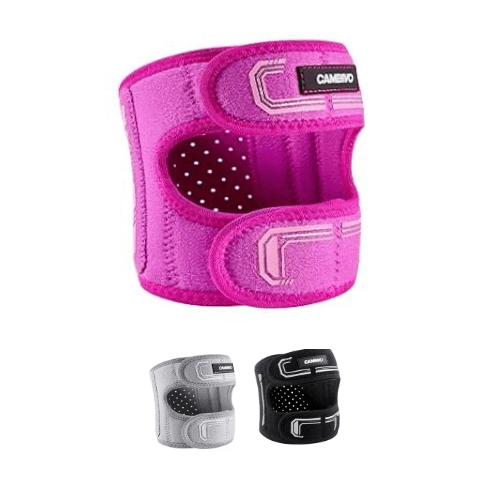
A knee brace, on the other hand, is generally recommended for more moderate to severe knee issues.
This may include post-surgery recovery, ligament injuries, or structural instability within the joint. Braces are designed to provide added stabilization and support when extra protection is needed.
What is the best exercise for painful knees?
There is no single best exercise for painful knees. Instead, a combination of movements such as lying single-leg raises, wall sits, hamstring curls, and calf raises can help strengthen the muscles around the knee. When those surrounding muscles are stronger, they absorb more stress, which can reduce pain and support recovery.
What is the #1 mistake for bad knees?
The number one mistake people make with bad knees is remaining sedentary. Sitting for long periods weakens key muscles in the hips, glutes, and quads that support the knee by stabilizing the lower body, absorbing stress, and allowing you to move through a full range of motion.
What helps knee pain go away?
It’s always best to see a doctor if you’re dealing with lingering or persistent knee pain. A medical professional may recommend physical therapy, lifestyle changes, or other treatment options depending on the cause.
For short-term relief, you can try the RICE method. This includes resting the affected leg to prevent further irritation, icing the knee for about 20 minutes to reduce inflammation, compressing the area with a bandage to limit swelling, and elevating the leg above heart level when possible.
Over-the-counter medications such as ibuprofen (Advil) or acetaminophen (Tylenol) may also help manage pain temporarily. Once pain begins to improve, gentle stretching and low-impact exercise can help strengthen and relax the muscles surrounding the knee.
How to lubricate joints naturally?
To support joint lubrication naturally, staying well-hydrated is key. Water helps maintain synovial fluid, which lubricates the cartilage, reduces friction, and allows your joints to move smoothly.
Eating anti-inflammatory foods may also support joint health. Foods rich in omega-3 fatty acids—such as fatty fish, nuts, and avocados—can help reduce inflammation, while vitamin C–rich foods like citrus fruits support collagen production for cartilage.
Regular low-impact movement, including resistance training, stretching, or yoga, can also help stimulate synovial fluid and strengthen the muscles that support your joints. Lastly, taking rest days allows your joints time to recover from physical activity.
What are the four causes of knee pain?
The four main causes of knee pain include arthritis (especially osteoarthritis), acute injuries such as ACL tears, overuse conditions like tendonitis, and mechanical issues such as loose cartilage or joint misalignment.
What is a red flag in knee pain?
Red flags for knee pain include sudden or severe pain, inability to bear weight, difficulty walking, buckling or locking of the knee, noticeable deformity, or significant swelling and warmth—especially if accompanied by fever or redness, which may indicate infection. Persistent pain that does not improve with rest or pain that disrupts sleep should also be evaluated by a medical professional.
Which vitamin deficiency causes knee joint pain?
Certain vitamin deficiencies can contribute to joint pain by affecting bone health, muscle function, and cartilage integrity. Low vitamin D levels are commonly associated with weakened bones, increased inflammation, and worsened osteoarthritis symptoms. Deficiencies in calcium, magnesium, and vitamin C may also negatively affect bone strength, muscle function, and collagen production.
Is walking good for knee pain?
Yes, walking is generally considered beneficial for knee pain. It’s a low-impact activity that helps strengthen muscles, lubricate joints, improve flexibility, and support weight management, which can reduce stress on the knees.
That said, it’s important to start gradually and wear supportive footwear to avoid worsening symptoms. When done consistently and at a comfortable pace, walking can help reduce the risk of future knee pain and improve overall joint function.
UnbeKNEEvable
Knee pain is just as frustrating as it is inconvenient. Fortunately, there are things you can do to help manage it. If you’re on the road to recovery and have been cleared by a doctor, try the workout above. It was designed and tested by someone who genuinely needed it.
Not only can this routine help reduce knee discomfort, but it also allows you to build muscle safely without placing unnecessary stress on your joints. Aim to perform these movements no more than three times per week to start, and be sure to give yourself plenty of time to rest and recover.
If you have any questions or comments, leave them below or send me a message through the contact page. Don’t forget to sign up for the email list to stay updated on the latest posts. You’ll even get a free fitness guide when you sign up through the pop-up form. Happy exercising!
Disclaimer: The information shared in this post is for general educational and motivational purposes only. It is not medical advice and should not replace guidance from a licensed healthcare professional. Always listen to your body and consult with a qualified medical provider before beginning any new exercise, wellness, or nutrition routine. Especially if you have existing health conditions or concerns.




Leave a Reply