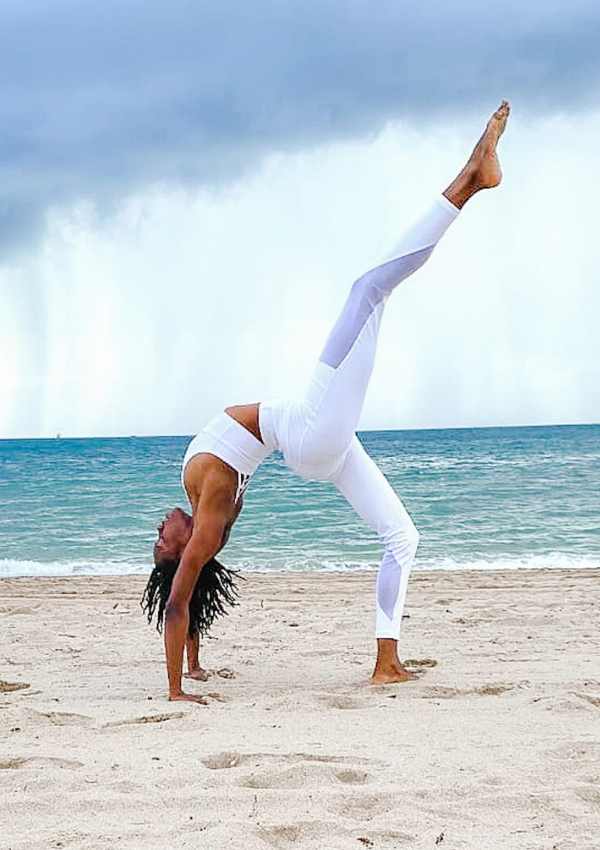
Some of us are born with a naturally curvy backside, and some of us… Well, have to work a little harder for it.
The good news is you can grow bigger, stronger glutes from home, and it doesn’t require any fancy gym or expensive equipment.
And while a rounder butt is a nice bonus, building your glutes is about so much more than aesthetics.
Toned glutes support your hips, core, posture, and everyday movement, which is especially important for women.
In this post, we’re walking through how to get bigger glutes from home, plus 5 of the best exercises for women to lift, strengthen, and sculpt the backside.
What Are the Glutes? (And Why They Matter for a Bigger Butt)
The glutes are the largest and strongest muscle group in the body, made up of three key muscles that work together to shape, lift, and stabilize your lower body.
- Gluteus Maximus — The biggest and most powerful of the three. It creates most of your butt’s shape and drives movements like hip thrusts, squats, and deadlifts.
- Gluteus Medius — Located on the outer hip, it keeps your pelvis stable during walking, running, and single‑leg exercises.
- Gluteus Minimus — The smallest glute muscle, sitting beneath the medius. It helps control hip rotation and thigh movement.
These muscles support everyday actions like standing, walking, climbing stairs, and lifting.
Strong glutes also protect your lower back and help maintain good posture.
Because women naturally have wider hips—and often experience changes during pregnancy and postpartum—glute strength becomes even more important for alignment, stability, and long‑term joint health.
Why Getting Bigger Glutes at Home Can Feel Hard
One of the main reasons you’re not seeing bigger glutes, even when you’re exercising, is that you’re either not working out enough or not actually activating your butt muscles the way you think you are.
When we sit for long periods, the glutes weaken and don’t fire properly, which makes it harder to build them up.
When the glutes aren’t doing their job, other muscles like the hamstrings, quads, and lower back step in to take over.
Those muscles get stronger, but your glutes don’t get the work they need to grow.
Over time, this can also lead to tightness, discomfort, or extra strain on your joints because the wrong muscles are carrying the load.
How to Train Your Glutes at Home for Bigger Results
Growing a bigger, perkier butt starts with understanding how the glutes work.
Your glutes are made up of three muscles: the gluteus maximus, gluteus medius, and gluteus minimus.
Each one plays a different role in shaping and strengthening your backside.
Training all three ensures fuller, rounder glutes and better overall lower‑body strength.
The Gluteus Maximus
This is the largest glute muscle and the main driver of shape, size, and power.
To target it effectively, focus on compound movements like squats, deadlifts, and hip thrusts.
These exercises use multiple joints and muscle groups, helping you build strength and maximize growth.
The Gluteus Medius and Minimus
These smaller muscles sit higher and deeper on the hip.
They support stability, balance, and hip mobility — and they help create that rounded, lifted look.
Movements like leg raises, side planks, and hip abductions strengthen these areas and support overall glute development.
The Three Movement Patterns You Need
To build well‑rounded glutes, include all three of these movement patterns in your routine:
- Forward & Back Movements — Extend the leg behind the torso (e.g., single‑leg RDL).
- Side‑to‑Side Movements — Move the leg away from the body (e.g., lateral lunge).
- Twisting Movements — Rotate the leg outward from the hip (e.g., hip abduction).
Training across all three patterns ensures each glute muscle gets the attention it needs for balanced growth and strength.
How to structure this workout
- Do 2–3 sets per exercise.
- Aim for 45–60 seconds per set or 10–15 slow reps.
- Rest 45–60 seconds between sets.
- Stop when your form starts to break down — that’s your sign you’ve done enough.
- Don’t go past 12–15 total working sets; more isn’t better once your glutes are fatigued.
Best Butt Exercises to Get Bigger Glutes at Home
Here are 5 of the best butt exercises for women that you can do at home or anywhere you like.
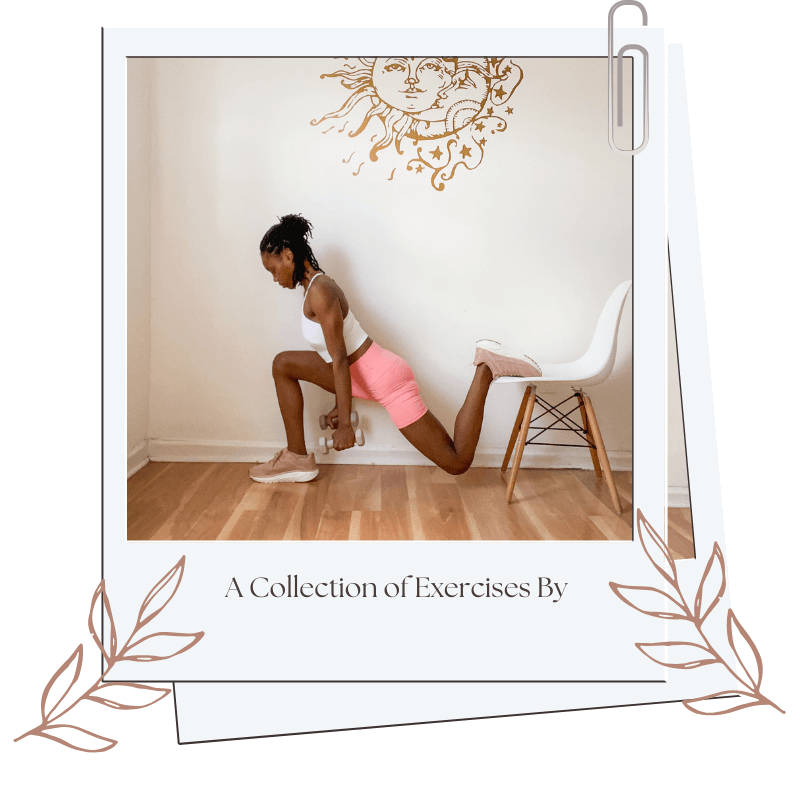
Bulgarian Split Squat
The Bulgarian Split Squat is one of the most effective exercises for building bigger glutes and strong legs.
It targets the glutes, quads, and hamstrings, and because it’s a unilateral movement, it helps correct imbalances and allows you to use heavier weights safely.
How to Perform Bulgarian Split Squats
Place your back foot on the bench with your shoelaces facing down.
Keep your core tight and spine straight.
Lower your back knee toward the floor while letting your front knee track forward over the toes.
Lean your torso slightly toward your front thigh to emphasize the glutes.
Push through your front heel to stand.
Add weight once your form feels solid.
You can pick up a light weight at the store, or you can use an adjustable dumbbell like this one. It saves money over time and makes it easy to keep building muscle without another store run.
Plus, you can use it effectively with most of the exercises on this list.
Romanian Deadlifts (RDL) Kickstand
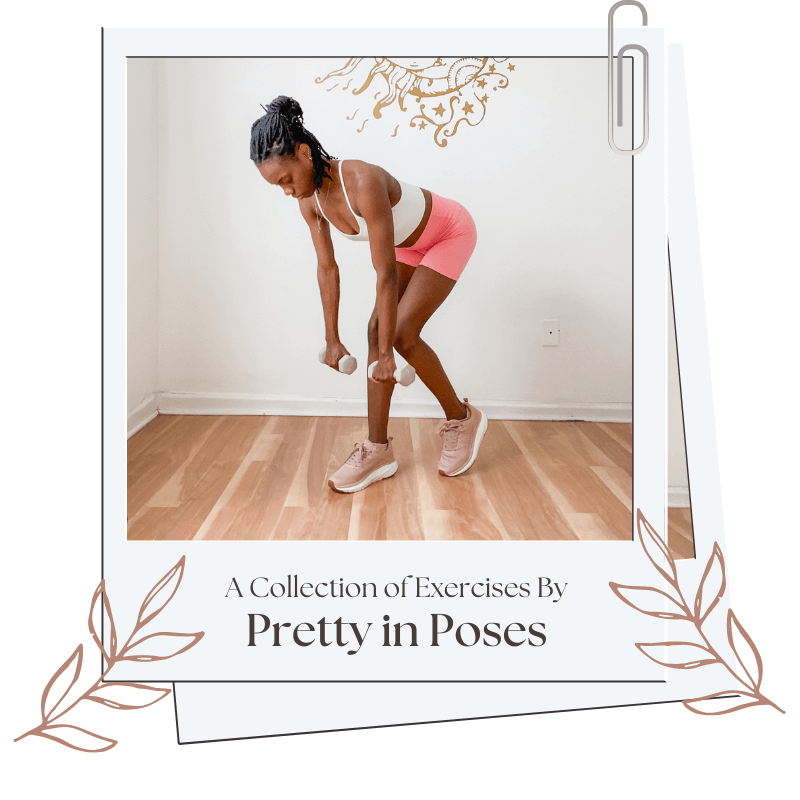
The Romanian Deadlift strengthens the glutes and hamstrings using a hip‑hinge pattern. The kickstand variation adds stability and helps you perfect your form at home.
How to Perform Romanian Deadlifts
Place one heel lightly against the wall for balance.
Push your hips back and lower the weights toward your shins.
Keep your back straight, core tight, and chest lifted.
Squeeze your glutes to stand.
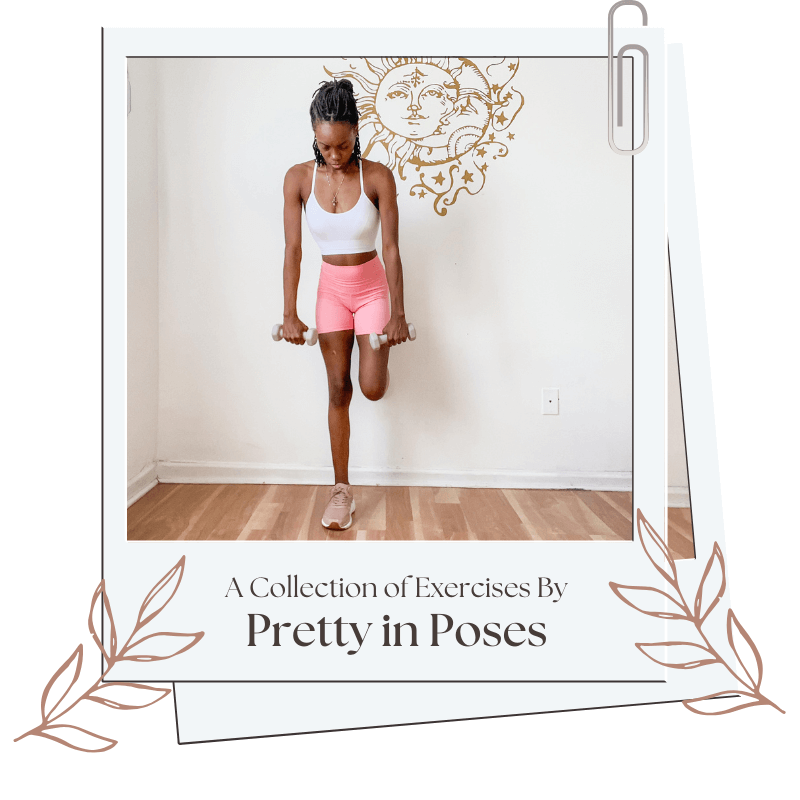
You can also try this move with your foot on the floor if the wall is too challenging. It’s the same movement, just place your foot behind the other.
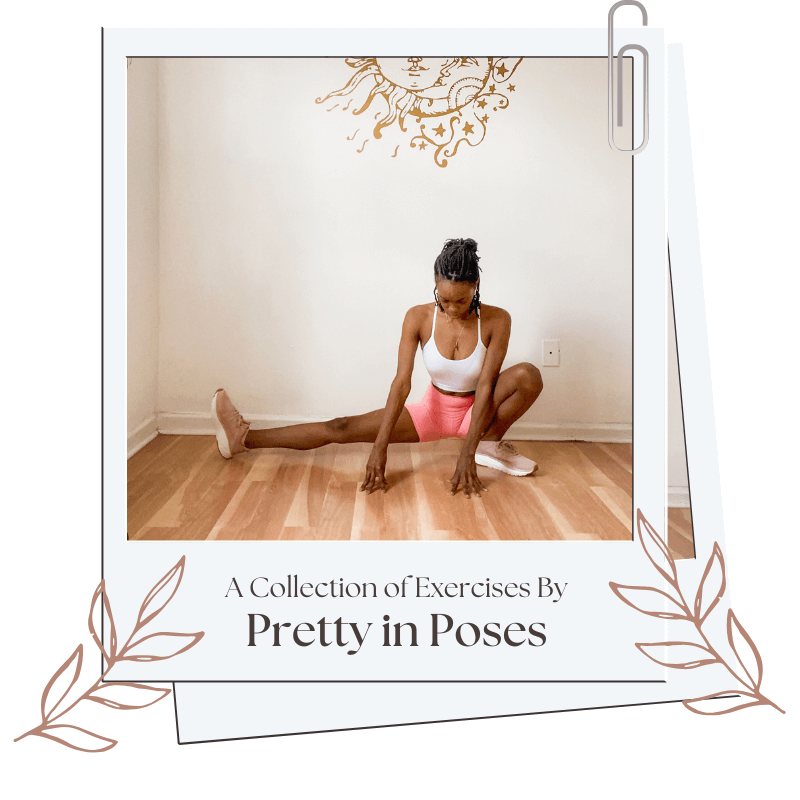
Cossack Squat
The Cossack Squat strengthens the glutes while targeting the inner thighs, quads, and hamstrings. It also improves hip and ankle mobility.
How to Perform Cossack Squats
Shift your weight to one side and bend that knee while keeping the other leg extended.
Lower your hips toward the bent leg, keeping your heel down.
Point the toes of your extended leg upward.
Keep your torso upright and spine neutral.
Push back to the center and repeat on the other side.
Add weight once you’re comfortable.
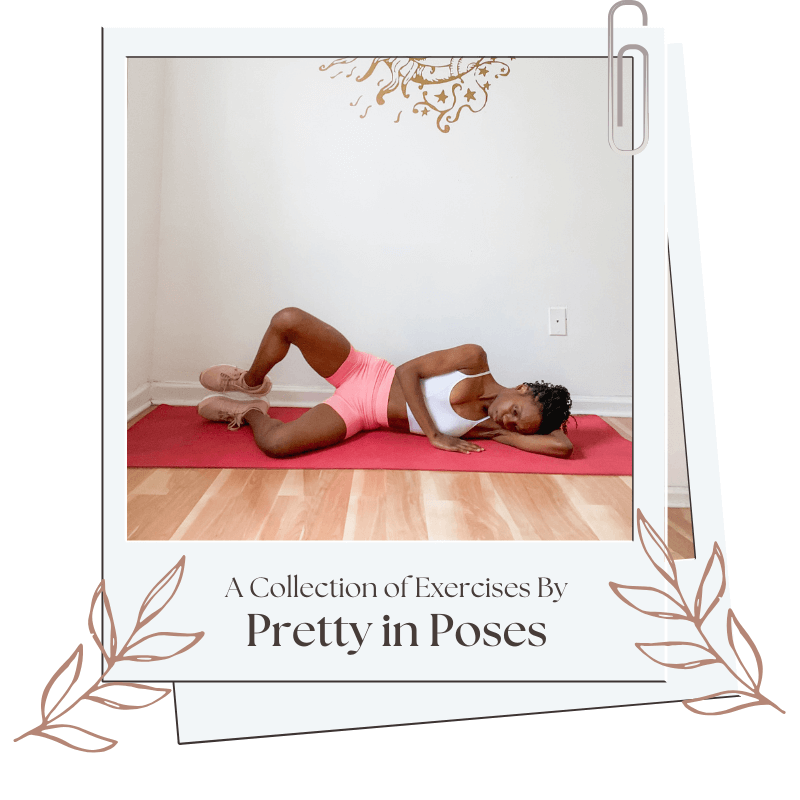
Clamshells
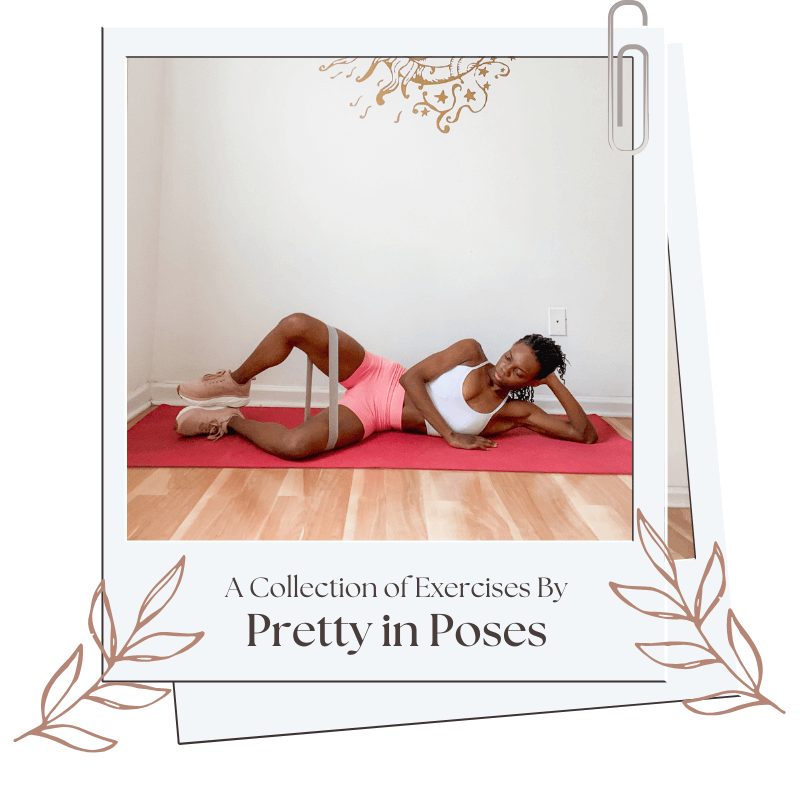
Clamshells target the gluteus medius and help improve hip stability. They’re great for activation and strengthening the outer glutes.
How to Perform Clamshells
Keep your heels, hips, and shoulders aligned.
Rest your head on your arm or prop up on your elbow.
Raise your top knee while keeping your feet stacked.
Squeeze your glutes at the top, then lower slowly.
If you want a little extra intensity, a mini resistance band like this one adds just enough resistance to make the exercise more effective.
Bonus: Hip Thrusts
Hip thrusts are one of the best exercises for building the gluteus maximus. You can do them at home using a chair or bench.
How to Perform Hip Thrusts
Bend your knees and plant your feet hip‑width apart.
Push through your heels to lift your hips toward the ceiling.
Squeeze your glutes at the top.
Lower with control and repeat.
Add weight across your hips as you get stronger.

What to Eat to Grow Bigger Glutes From Home
Nutrition plays a major role in growing your glutes. Your muscles need enough fuel to repair, rebuild, and grow after your workouts, especially when you’re training consistently at home.
The right foods help you recover faster, build strength, and support long‑term progress.
Foods That Support Glute Growth
A balanced approach works best, focusing on three key areas:
- Protein — Helps repair and build muscle tissue. Chicken, turkey, eggs, Greek yogurt, cottage cheese, tofu, tempeh, beans, lentils, and protein shakes all work well.
- Healthy fats — Support hormones that influence muscle growth. Avocado, nuts, seeds, olive oil, salmon, and nut butters are great options.
- Complex carbohydrates — Give you the energy to train hard and recover well. Oats, quinoa, brown rice, potatoes, whole‑grain bread, fruit, and vegetables keep your workouts strong.
How Much to Eat
You don’t need to count every calorie, but you do need to eat enough to support muscle growth.
A simple rule is to make sure each meal includes a source of protein, a source of carbs, and a source of healthy fats.
This keeps your energy steady and helps your glutes recover between workouts.
Snacks that Support Glute Gains
Quick, easy options help you stay consistent:
- Greek yogurt with berries
- Protein shake with a banana
- Apple with peanut butter
- Hummus with whole‑grain crackers
- Cottage cheese with pineapple
Hydration Matters Too
Muscles perform better when you’re hydrated. Drinking water throughout the day helps with recovery, energy, and overall performance.
Rest & Recovery Tips for Growing Bigger Glutes
Growing your glutes isn’t just about training hard; it’s about giving your muscles the time they need to repair and rebuild.
Recovery is where the actual growth happens, especially when you’re lifting heavy or pushing yourself with higher reps at home.
Why Rest Days Matter
Your glutes need time to recover after intense workouts. Training them every day can lead to fatigue, plateaus, and even injury. Rest days allow your muscles to rebuild stronger and fuller.
How Often to Train Your Glutes
Most people see great results training their glutes 2 to 3 times per week. This gives you enough stimulus to grow while still allowing for proper recovery.
How Sleep Supports Muscle Growth
Aim for 7–9 hours of sleep each night. Quality sleep boosts muscle repair, hormone balance, and overall energy, all of which support glute growth.
Light Movement Helps Recovery
Gentle activities like walking, stretching, or mobility work increase blood flow and reduce soreness. This helps your glutes recover faster between workouts.
Listen to Your Body
Soreness is normal, but sharp pain or lingering discomfort is a sign to rest. Pushing through pain slows progress and increases the risk of injury.
Start Your Bigger Glutes Journey From Home
You now have five (well, six with the bonus!) of the best butt exercises for women to strengthen, lift, and shape your glutes from home.
You can add them to your current routine or combine them into a dedicated glute workout.
Just remember that consistency, proper nutrition, and rest are the real keys to building a perky backside.
Keep these essentials in mind as you work toward a bigger butt:
- Exercise consistently at least twice a week
- Eat enough nutrients (especially protein) to support muscle growth
- Take your rest days seriously (active recovery counts!)
These exercises are proven to build stronger, fuller glutes, and with steady effort, you may start noticing progress within a month.
Alright, you’ve got everything you need to achieve your fitness goals. Now go build that bubble butt!
Related Posts You May Like
3 Low-Impact Knee-Strengthening Exercises
Best Joint-Friendly Exercises for Bad Knees



Leave a Reply