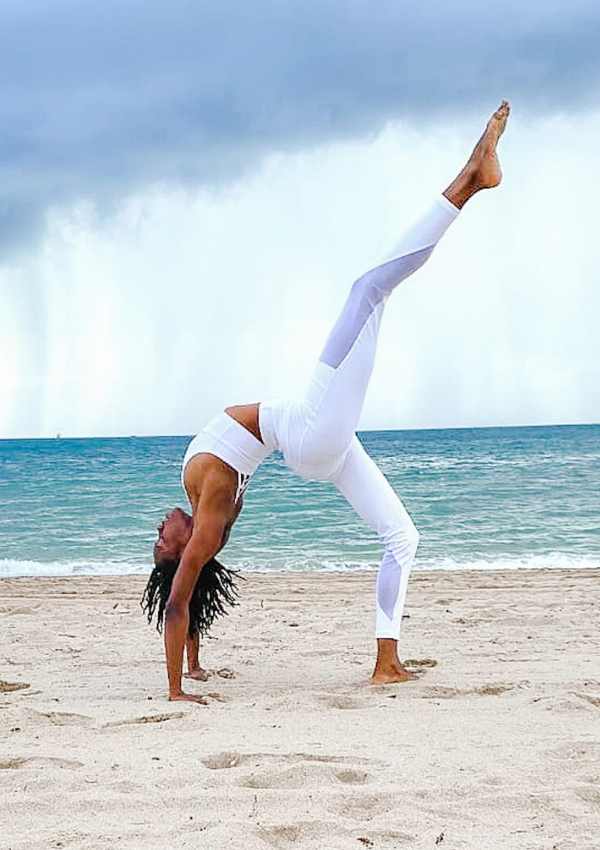
I recently recovered from a knee injury myself, and I can honestly say that knee pain after workouts can feel really concerning, especially when you don’t know what’s causing it.
But the truth is, this kind of injury is pretty common and can happen for several different reasons.
Sore knees from exercise aren’t fun and can definitely throw off your routine; however, once you understand what’s behind the pain, it becomes a lot easier to figure out what to do next.
In this post, we’re going to look at why your knee might hurt after workouts and what you can actually do to relieve it.
Common Causes of Knee Pain After Workouts
If you are experiencing knee pain after workouts, it is often due to overuse, muscle imbalances, or improper form. In some cases, it may also result from injury or trauma to the joint.
Below are some of the most common causes of knee pain after workouts:
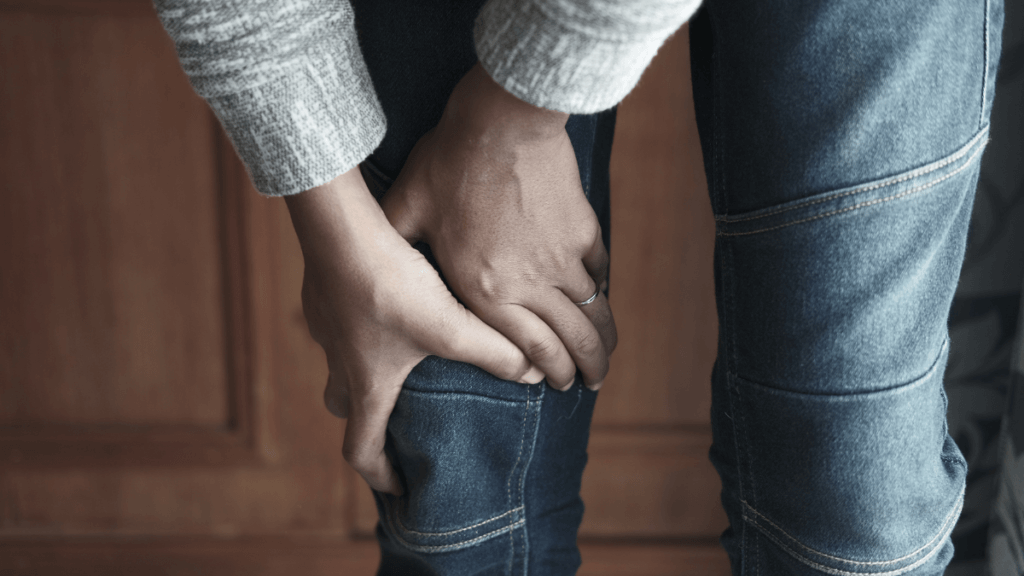
Runner’s Knee
Patellofemoral pain syndrome, widely known as runner’s knee, is pain in and around the kneecap caused by irritation of the cartilage beneath it.
Demographic: Tends to affect runners and other athletes, particularly teens and young adults.
Symptoms include: A dull ache felt deep within the knee. You may notice a grinding or popping sensation when standing up or climbing stairs.
Jumper’s Knee
Patellar tendonitis, better known as jumper’s knee, is inflammation in the tendon that connects the kneecap to your shin bone.
Demographic: Often impacts athletes in sports that require excessive jumping, such as basketball or volleyball.
Symptoms include: A sharp, isolated pain at the lower border of the kneecap. The pain may subside after a “warm up,” only to return after exercising.
Iliotibial Band (IT Band) Syndrome
A condition where the iliotibial band — the thick band of tissue that runs from your hip to your shinbone — rubs against the outer edge of the knee, causing irritation or inflammation.
Demographic: Commonly affects runners and cyclists.
Symptoms include: A sharp or burning pain on the outside of the knee. You may experience a clicking, popping, or snapping sensation when bending it. The pain may intensify when running downhill or descending stairs.
Osteoarthitis
The most common form of arthritis affects the knees. It is a degenerative condition that occurs when cartilage — the flexible, rubbery tissue that cushions the ends of your bones — gradually wears down.
Demographic: Usually affects people over 50, but younger individuals may develop it due to injury. Other risk factors include obesity, genetics, and gender, as women are more likely to develop osteoarthritis than men.
Symptoms include: Inflammation, pain, stiffness, locking, or buckling of the knee joint.
Ligament Tears
A ligament tear occurs when the tough bands of tissue that connect bone to bone are stretched or torn. When this happens in the knee, the joint can lose stability and structural support.
The four major knee ligaments include the ACL (often injured from sudden pivots or jumping), MCL (commonly injured from impact to the outer knee), and the PCL and LCL, which are less common and usually result from direct trauma.
Demographic: Frequently impacts athletes and active individuals between the ages of 15 and 45.
Symptoms include: Swelling, pain, instability, and sometimes a loud popping sound at the moment of injury
Meniscus Tears
A meniscus tear is an injury to the cartilage that sits between your thighbone and shinbone. The meniscus acts as a shock absorber in the knee.
Demographic: More common in adults over 40 as the cartilage weakens over time. It can also occur in athletes who twist or pivot while their foot is planted and the knee is bent.
Symptoms include: Swelling, locking, pain that worsens with pressure, and difficulty straightening or bending the leg.
Muscle Imbalances
It occurs when certain muscles are stronger, tighter, or more dominant than the muscles meant to support them. In the knee, this can involve the quads, hips, hamstrings, or glutes. It often develops from prolonged sitting, repetitive habits, or compensating after an injury.
Demographic: Can affect anyone at any age. Most people have at least one or two mild imbalances, often influenced by daily habits or dominant-side use.
Symptoms include: Tightness in specific areas, poor posture, movement issues, recurring aches, visible strength differences, and uneven flexibility.
How to Relieve Knee Pain After Workouts
More often than not, knee pain after workouts involves minor injuries that can be managed at home using the R.I.C.E. method — rest, ice, compression, and elevating the leg above heart level.
Staying off the injured knee as much as possible and wearing knee support, such as a brace or a knee sleeve, is often recommended.
However, if your knee pain feels severe after the injury or does not improve with rest, it may be time to contact a doctor.
Seek medical attention immediately if you notice any of the following symptoms, as they could indicate a more serious issue:
- Inability to bear weight on the injured leg
- The knee looks visibly misshapen or deformed
- A loud popping or snapping sound at the moment of injury
- Inability to fully straighten or bend the knee
- Severe pain along with fever, chills, or significant swelling around the joint
Use Movement As Medicine
If the severity of your knee pain begins to lessen after rest but you still feel some discomfort or weakness, you can slowly incorporate other recovery methods into your routine.
Once you’ve been cleared by a medical professional, gently moving your leg again can help strengthen the muscles surrounding the joint.
Activities like yoga and low-impact knee-strengthening exercises done a few times a week may support recovery.
If you’re looking for a knee-specific workout designed for recovery, you can always try mine.
When I injured my knee, I followed the R.I.C.E. method for about 48 hours, and then rested it for a few extra days until walking felt comfortable.
I was anxious about pausing my usual strength workouts, so I built a gentle at-home routine that didn’t strain my knee. Within a few weeks, it felt back to normal.
If you want to give it a try, you can check out the full routine here:

Related Posts
Best Exercises to Reduce Knee Pain At Home
3 Low-Impact Knee-Strengthening Exercises
Knee Pain When Walking Downstairs Causes & Fixes
It’s Now or Kneever
Knee injuries are never fun, but they don’t mean you’re out of options.
How you move forward depends on the severity of your injury, and having the right information can make a big difference. With the right approach, you can recover safely and get back to your life.
If you have any questions or comments, feel free to leave them below or send me a message through the contact page.
Don’t forget to sign up for the email list to stay updated on the latest posts. You’ll even receive a free fitness guide when you join through the pop-up form.
Happy knee recovery!
The information shared in this post is for general educational and motivational purposes only. It is not medical advice and should not replace guidance from a licensed healthcare professional. Always listen to your body and consult with a qualified medical provider before beginning any new exercise, wellness, or nutrition routine. Especially if you have existing health conditions or concerns.





Leave a Reply